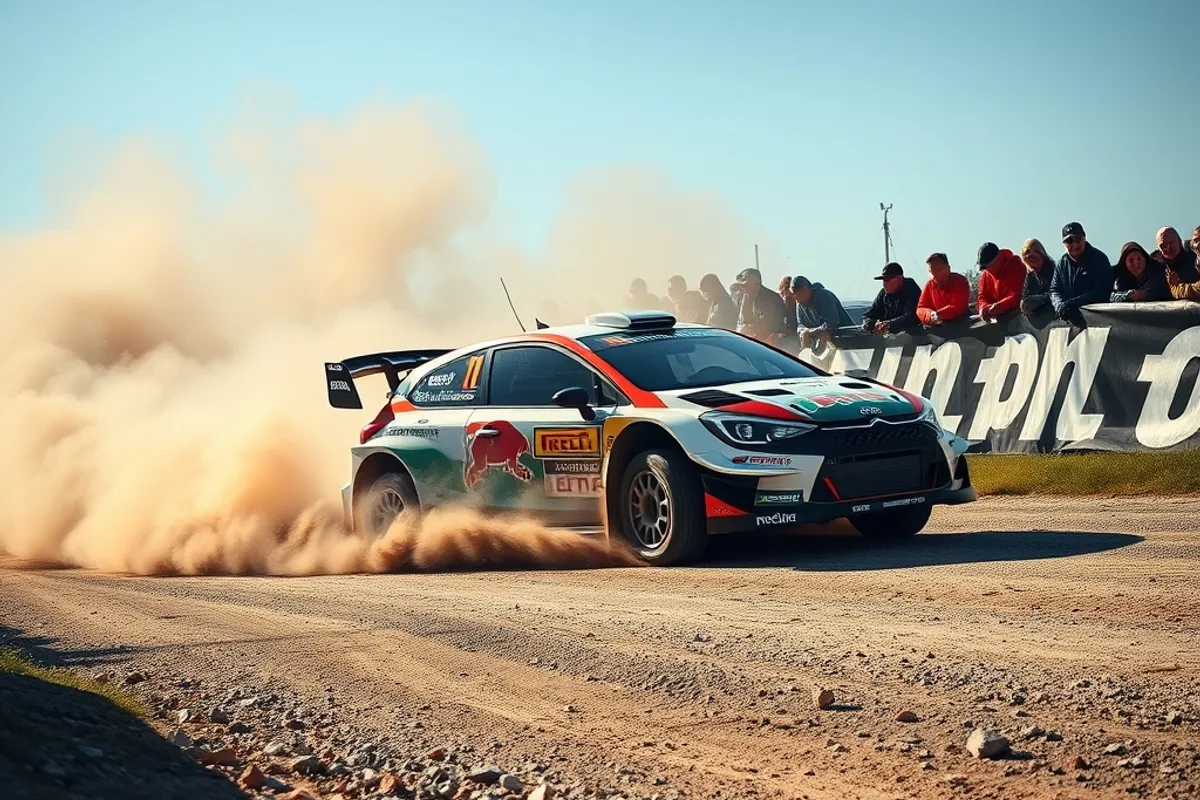
Rally is the hardest place to add hybrid power. A circuit car can recharge on the straight; a rally car has to harvest on roads that change surface, gradient and grip every few hundred metres, often in the dark. The WRC's Rally1 cars have done it for several seasons now, and the 2026 field shows how far the teams have come.
We look at how the hybrid unit actually works on a stage, why the cars are heavier than they look, and the strategic decisions that decide a rally weekend.
Key facts
- Rally1 cars use a compact battery and motor-generator unit adding roughly 100 kW of boost.
- The hybrid system adds around 90 kg to a car that was already heavy by rally standards.
- Drivers can deploy boost on corner exit; harvesting happens under braking and coasting.
- Energy management is now part of pace notes, alongside grip and line.
- Reliability of the hybrid unit has become as important as engine durability on rough events.
How the hybrid unit works on a stage
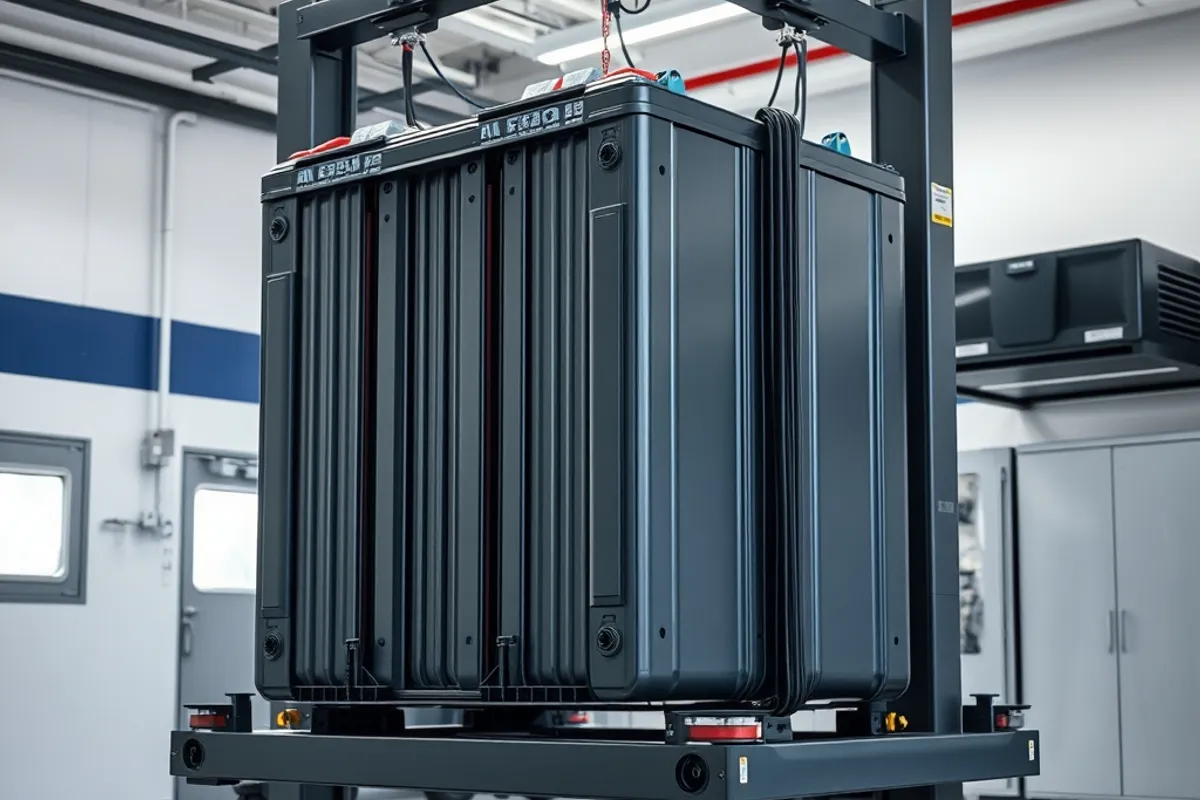
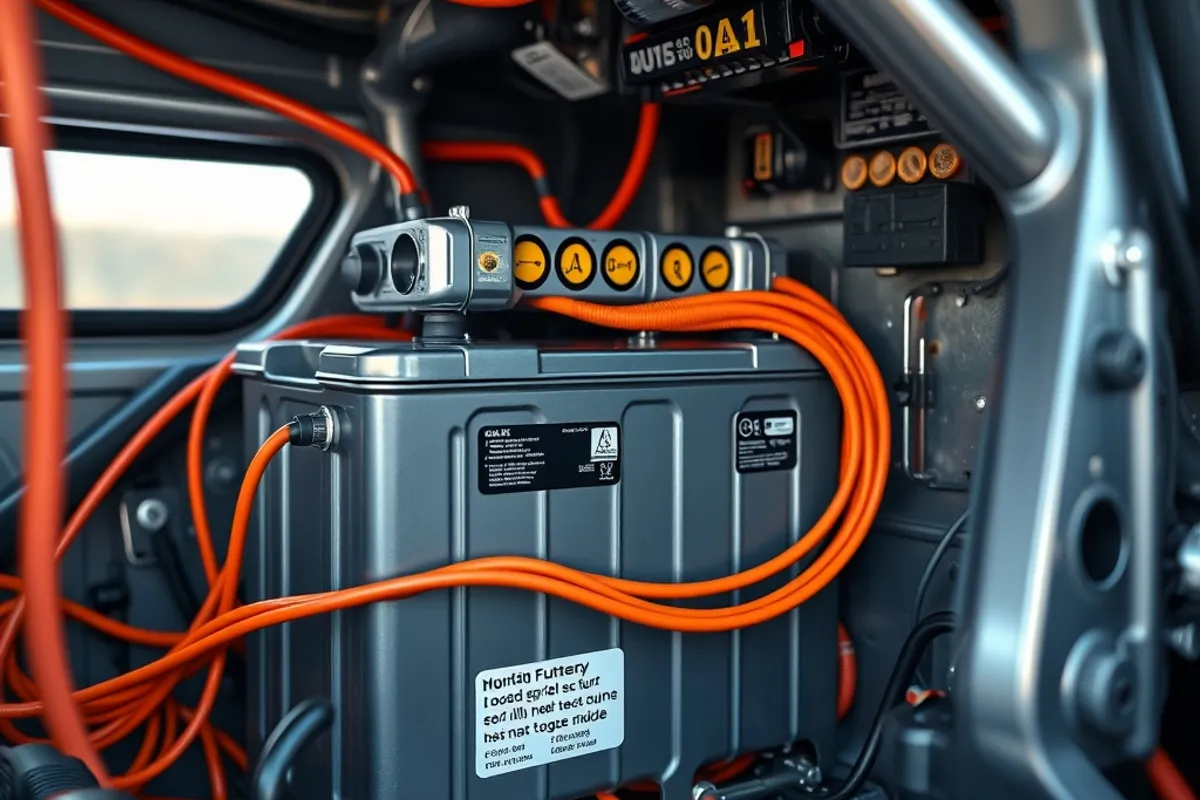
The system pairs a small battery with a motor-generator unit on the driveline. Under braking and coasting, the motor acts as a generator and puts energy back into the battery. Under acceleration, it delivers a boost that fills the gap before the turbo is fully spooled. On a tight corner exit, that is worth real time.
The driver controls deployment through a paddle or a mapped strategy, and the rules limit how much energy can be used over a stage. It is not a free power button. Using it on the wrong corner leaves nothing for the one that matters.
The weight penalty, and where it hurts
Adding roughly 90 kg to a rally car is a big deal. It changes how the car lands after a jump, how it behaves on soft ground and how quickly the tyres wear on a long stage. Teams have to stiffen the suspension and revisit the weight distribution, which changes the balance the driver feels.
On smooth gravel the penalty is manageable. On rough, rocky stages the extra mass is harder to control and the risk of a puncture or a damaged suspension component rises. That is why some events still favour the lighter, simpler cars in the lower classes.

Energy strategy is now part of the pace notes
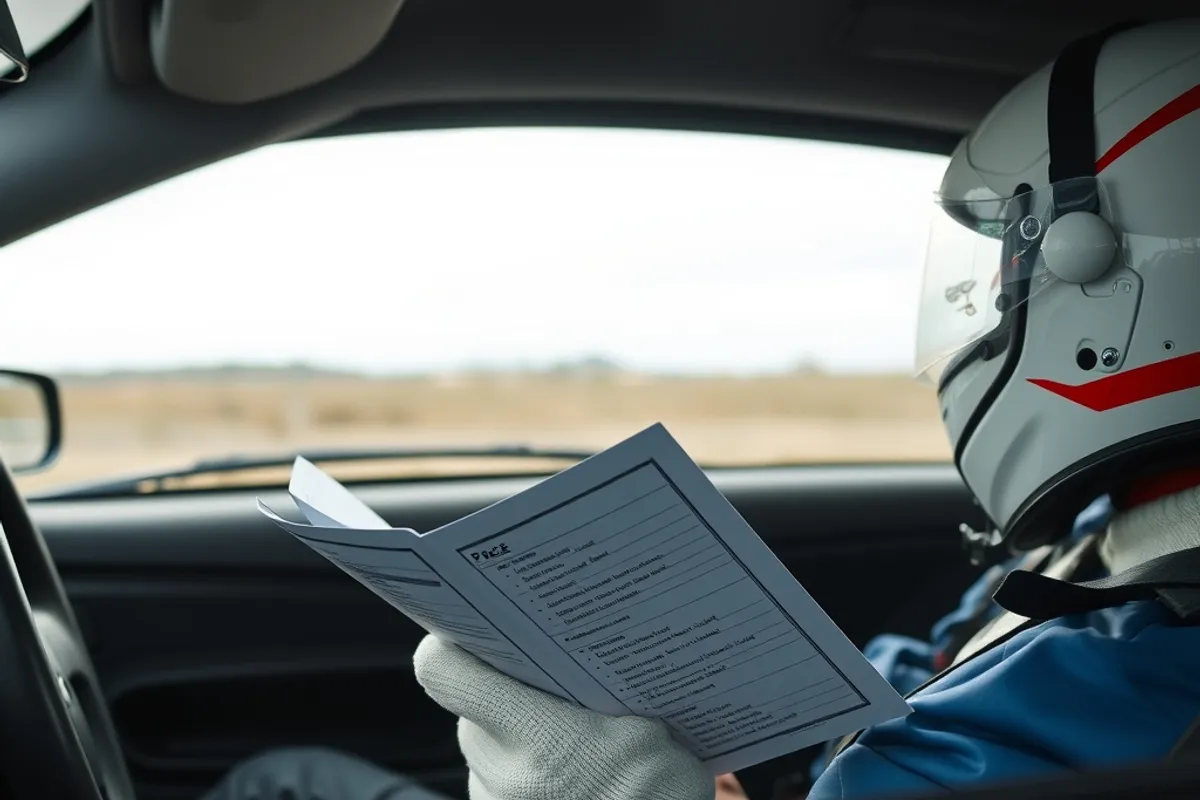
A rally stage is not a lap. The driver cannot rely on a known braking zone to recharge. The co-driver's notes now include information about where the car can harvest and where the boost should be saved. A fast section that looks straightforward may be the best place to lift and recharge for a slow climb later.
Teams simulate the stage before the event, but the real world intrudes: mud, cuts, a damaged aero piece, a tyre going off. The best drivers adapt the plan on the fly. The ones who treat the hybrid as a fixed strategy lose time when the stage is not what the model predicted.
Reliability: the quiet championship decider
Rally cars take a beating that circuit cars never see. The battery and cooling system have to survive jumps, water crossings, dust and heat. A hybrid failure can end a rally in a way that a mechanical issue would not have a decade ago, because the car may not be able to complete the stage.
Teams that invested in packaging and cooling gained points simply by finishing. The championship is still decided by speed, but the list of crews who retired with a hybrid issue in 2026 is a reminder that the new technology has a new failure mode.
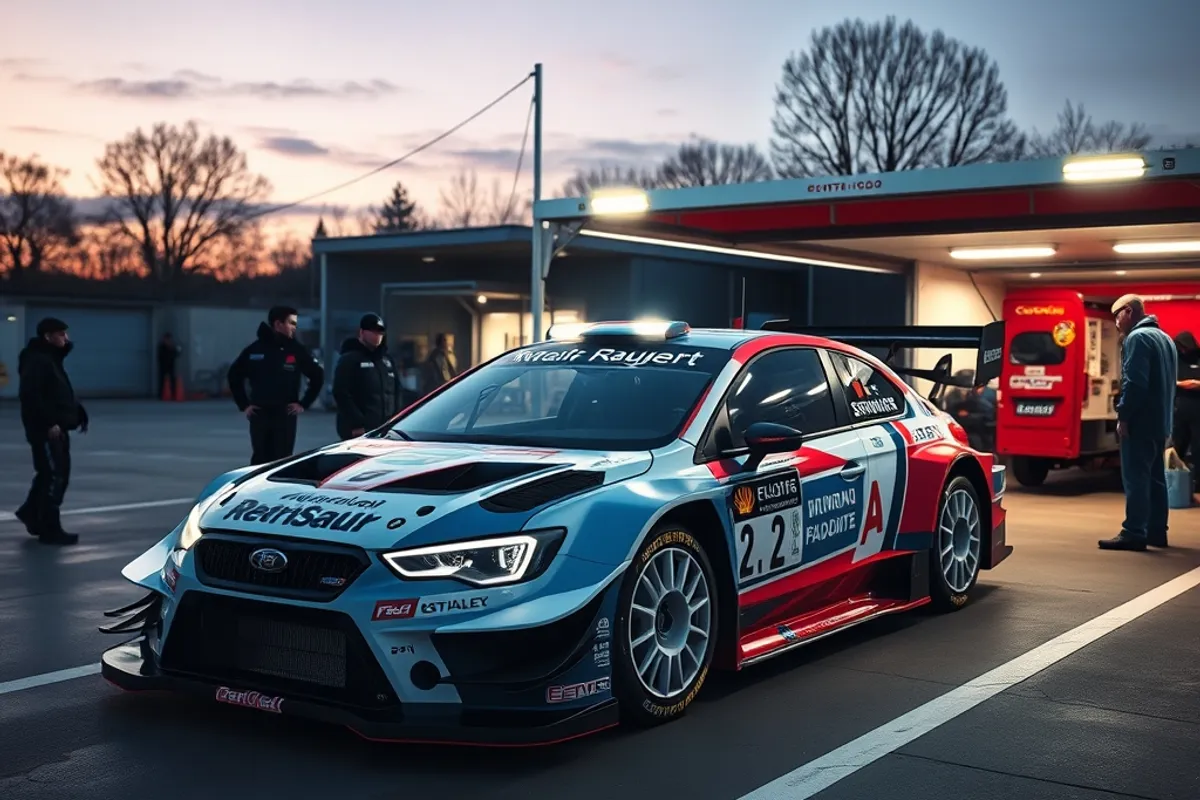
On a rally stage you cannot recharge on a straight. You have to earn every joule, and spend it on the corner that actually matters.
What it means for the cars we buy
The connection between rally and road cars is weaker than it was in the Group A era, but it is not zero. The hybrid systems being raced are closer to production hardware than the complex units in Formula 1, and the cooling and packaging lessons do transfer to performance road cars.
More importantly, rally proves that electrified performance can survive abuse. A hybrid system that completes a rough gravel rally is a stronger advertisement than a laboratory range figure. That is a useful counterweight to the idea that electrification only works on smooth roads.
The future of the rules
The WRC is balancing three pressures: cost, spectacle and relevance. Hybrid power delivers relevance, but it raises cost and weight. The next rules cycle will have to decide whether to keep the current system, simplify it, or move toward a different energy carrier.
For now, the racing is close and the cars are impressive. The best rallies of 2026 were not decided by raw power but by a crew that understood when to use it and when to save it. That is a good sign for the sport.
What to watch next season
Watch the teams that can run the hybrid system cool on rough events, and the drivers who can adapt their energy plan when the stage changes. Watch the lower classes too, where lighter cars may exploit the rules on tight, technical rallies.
Rally has always rewarded preparation and adaptability more than raw speed. The hybrid era has not changed that. It has just added another layer to the puzzle.
Official source: wrc.com.