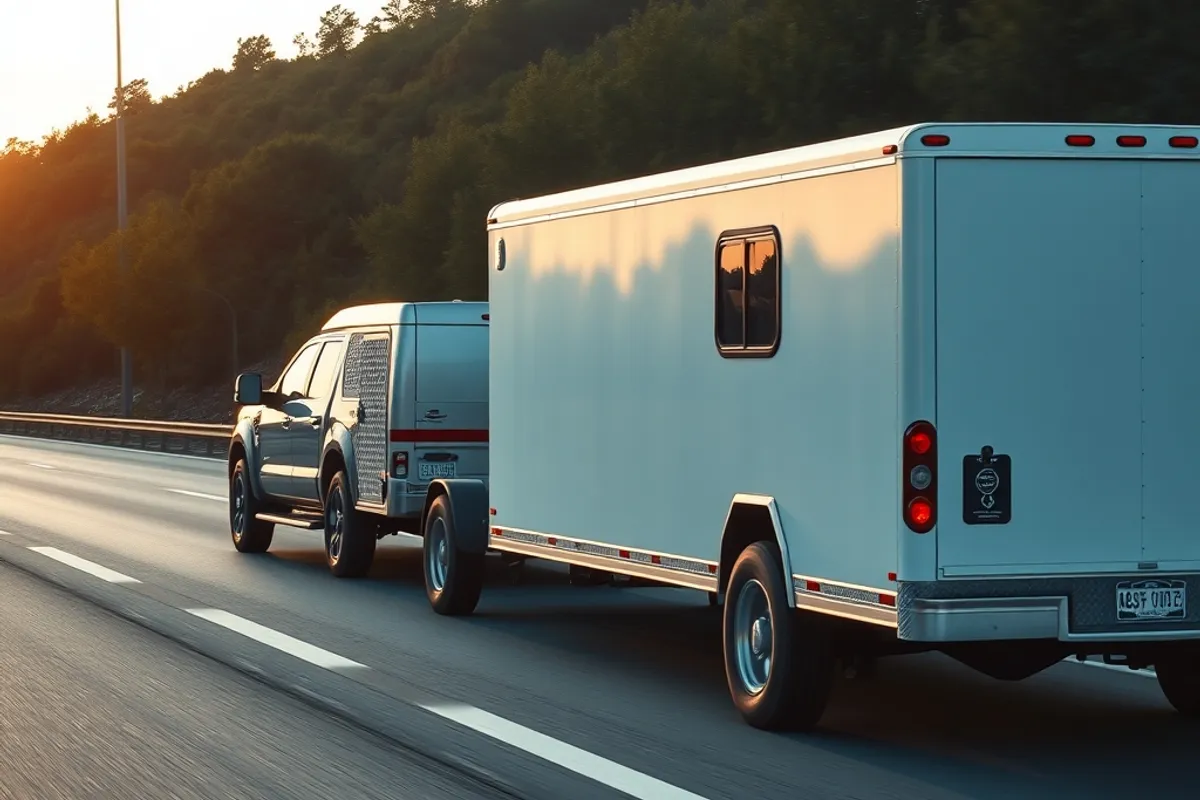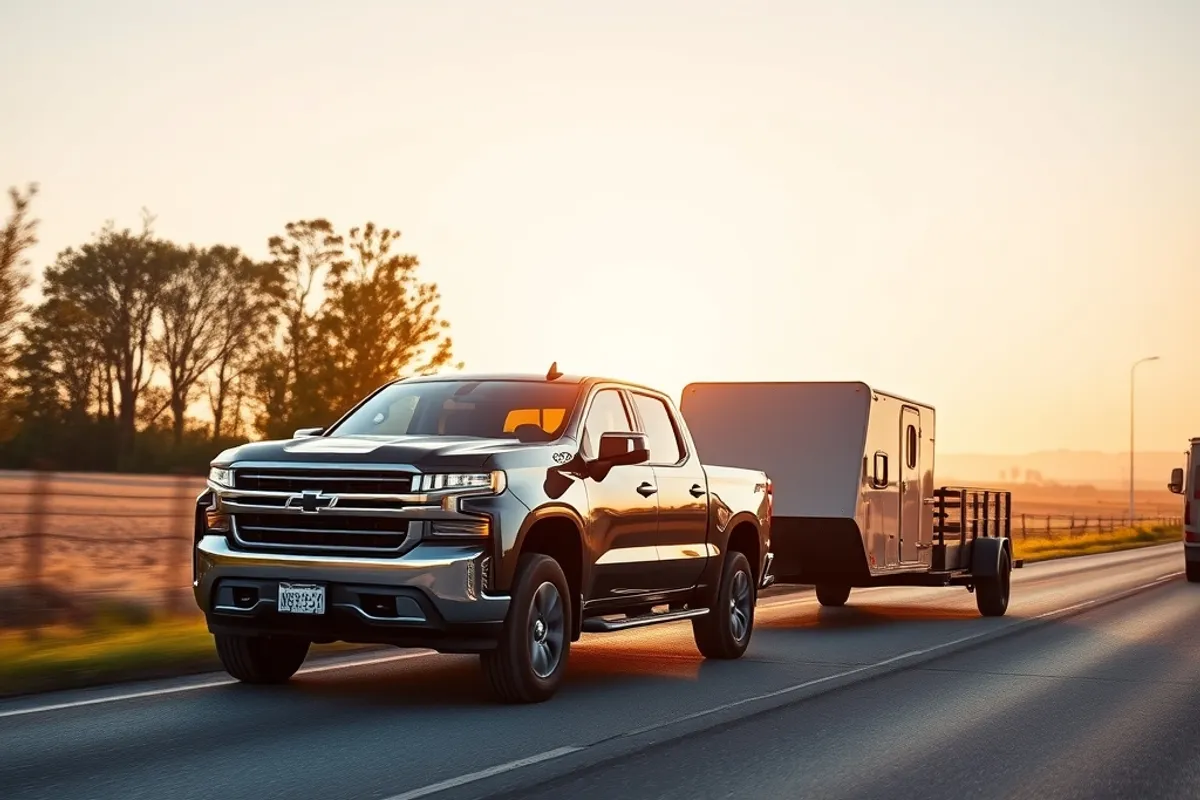
Midsize pickups have quietly become the sensible truck again. They fit in a normal garage, return fuel economy a full-size cannot match, and now tow close to what half-ton trucks managed a decade ago. The catch is that the gap between trims is wider than the gap between brands.
We loaded five 2026 midsize pickups with the same 2,300 kg trailer and the same 450 kg of ballast, then drove the same 380 km loop. Here is what the numbers and the drivers actually said.
Key facts
- Payload varies by up to 320 kg between trims of the same model; the door sticker is the only number that counts.
- Measured highway economy ranged from 9.1 to 11.4 L/100 km unladen, and 15.8 to 19.2 L/100 km towing.
- A trailer brake controller is standard on some trims and a dealer-fit extra on others.
- Crew-cab long-bed versions often lose 150 kg of payload versus the short-bed spec sheet hero.
- Two of the five needed a weight-distributing hitch to feel stable at 100 km/h.
How we tested
Each truck arrived with a full tank, correct tyre pressures for load, and a tongue weight set to 10% of the trailer mass. We ran a 380 km loop: 120 km of motorway, 90 km of undulating two-lane, 40 km of broken pavement and the rest city traffic. Two drivers swapped seats every 60 km so that impressions were not one person's back.
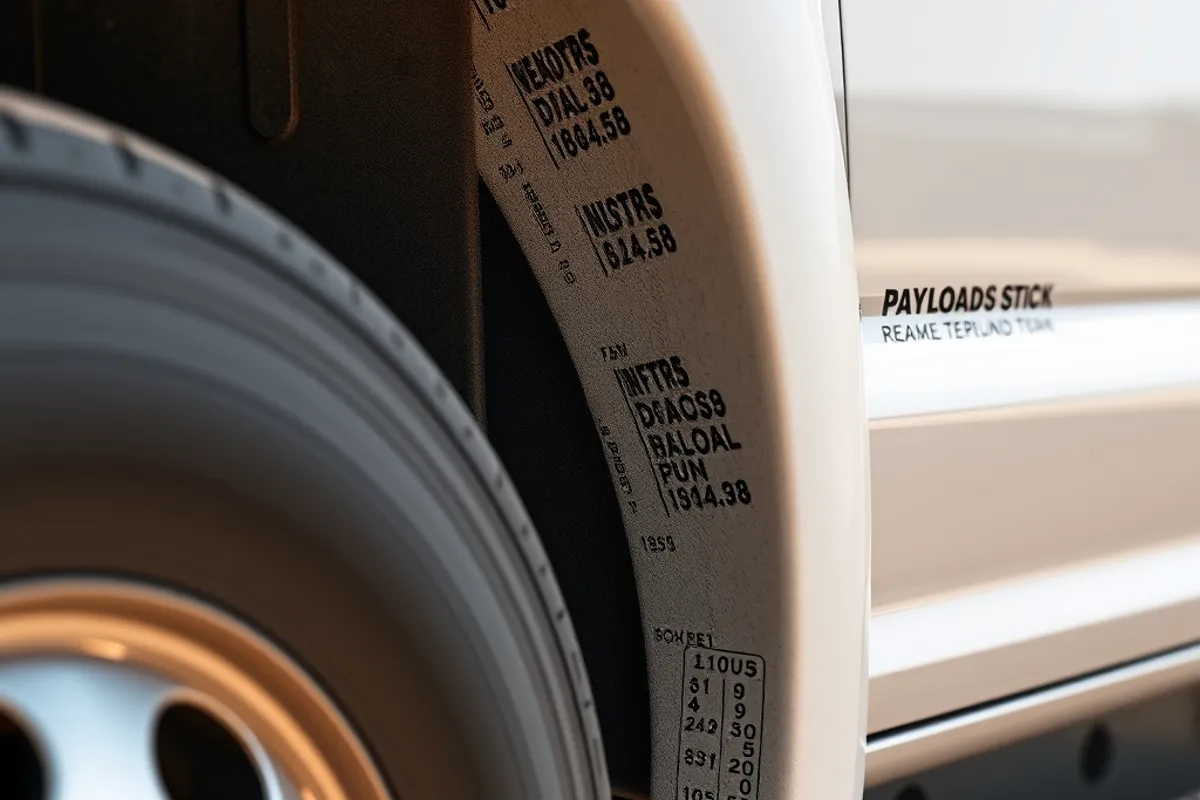
Fuel was measured at the pump, not the trip computer. Payload came from the driver's door jamb sticker, not the brochure. Towing figures are the manufacturer's maximum for the specific configuration, which is often lower than the headline number.

Payload is the number that ruins plans
The most expensive mistake in this class is buying for towing capacity and ignoring payload. A crew-cab, four-wheel-drive, loaded trim can lose 300 kg of payload against the base specification everyone quotes. Add a canopy, a tow bar, two adults and a cooler and you are at the limit before the trailer is attached.
Our five trucks ranged from 690 kg to 1,010 kg on the sticker. That difference decides whether you can carry a dirt bike, a pallet of tiles or four adults with luggage. Open the driver's door before you sign anything and photograph the sticker.
Towing: stability beats muscle
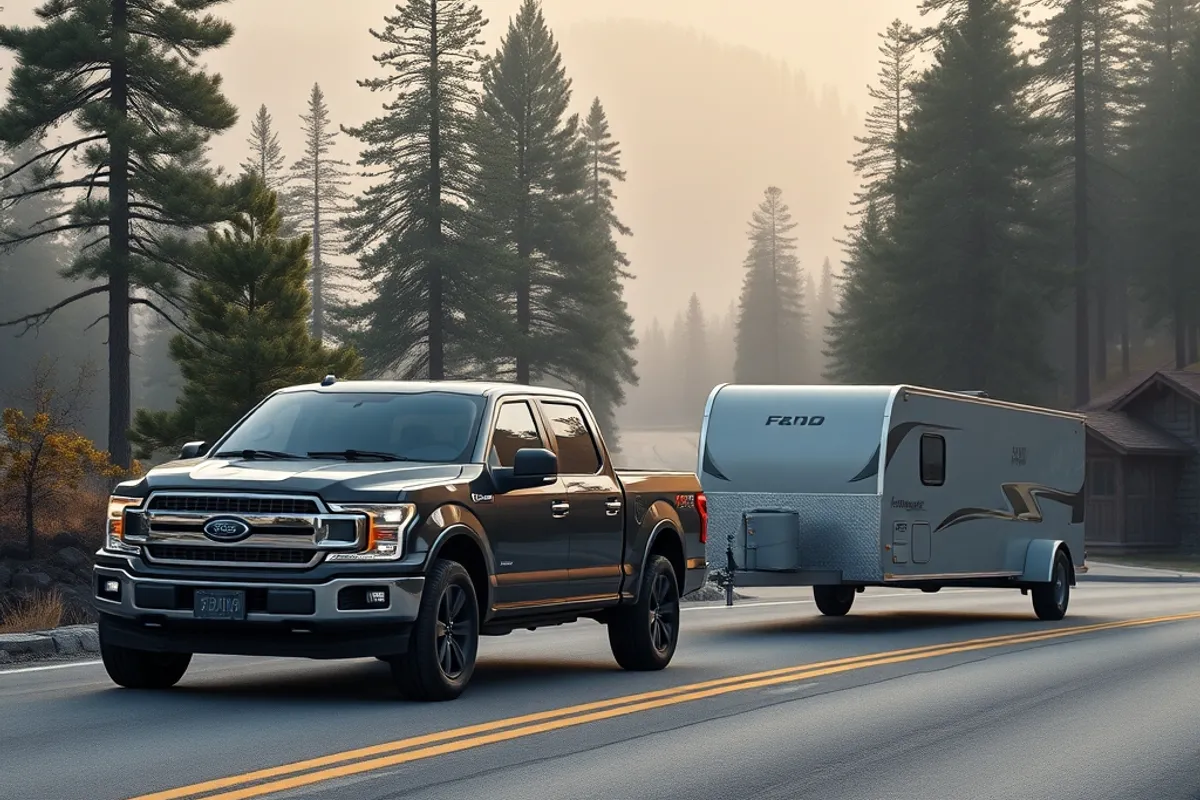
All five pulled 2,300 kg without drama on flat ground. The differences appeared in crosswinds and on downhill compression. The two lightest rear ends needed a weight-distributing hitch to stop a slow yaw at 100 km/h. The heaviest truck felt planted without it but paid at the fuel pump.
Trailer brake controllers were standard on two trims, bundled in a tow package on one, and a dealer accessory on the other two. That is a safety item, not a convenience. Budget for it, and budget for a proper hitch setup rather than the cheapest ball mount.
Real fuel economy, loaded and empty
Unladen highway running landed between 9.1 and 11.4 L/100 km. The turbocharged four-cylinder trucks were the most efficient empty and the thirstiest under load, because they spend more time in boost. The naturally aspirated V6 sat in the middle in both tests, which is a dull answer but a useful one.
Towing moved everyone into a narrow, ugly band: 15.8 to 19.2 L/100 km. If you tow every weekend, the difference between best and worst is roughly 4 litres per 100 km, or about 25% of your fuel bill. That is worth more than most optional extras.
Buy for the payload sticker, not the towing headline. The trailer is the easy part; the family and the gear are what break the limit.
Ride, noise and the daily commute
Leaf-spring rear ends still dominate, and you feel them empty over speed humps. The two trucks with coil or multi-link rear suspension rode noticeably better, at a small cost in maximum payload. If the truck is a family vehicle first and a work vehicle second, that trade is usually worth it.
Cabin noise varied more than expected. Tyre choice accounted for most of it; the all-terrain tyres that look right in the photos added 2 to 3 dB at motorway speed. If you do not need the tread, the standard highway tyre is quieter and cheaper to replace.
Which trim actually makes sense
For most buyers the mid trim is the sweet spot: the stronger rear axle, the tow package and the better seats, without the 20-inch wheels that ruin ride quality and the sunroof that eats headroom. Base trims are fine as work trucks; top trims are fine if the truck is also the family car.
Skip the sport package unless you want the appearance. Skip the lift unless you need the clearance. Spend the money on the trailer brake controller, a proper hitch, all-weather mats and a bed liner. Those are the options you will still be glad about in year four.
The verdict
There is no single winner. The most efficient empty truck was not the most stable loaded; the best-riding truck had the lowest payload. Decide which two numbers matter for your week, then find the trim that protects them.
If we had to choose one for a mixed life of commuting, weekend towing and occasional hauling, it would be the mid-trim truck with the coil rear end, the factory tow package and 17-inch wheels. It is not the one that photographs best. It is the one you stop thinking about after a month, which is the highest praise a truck can get.
Official source: nhtsa.gov.