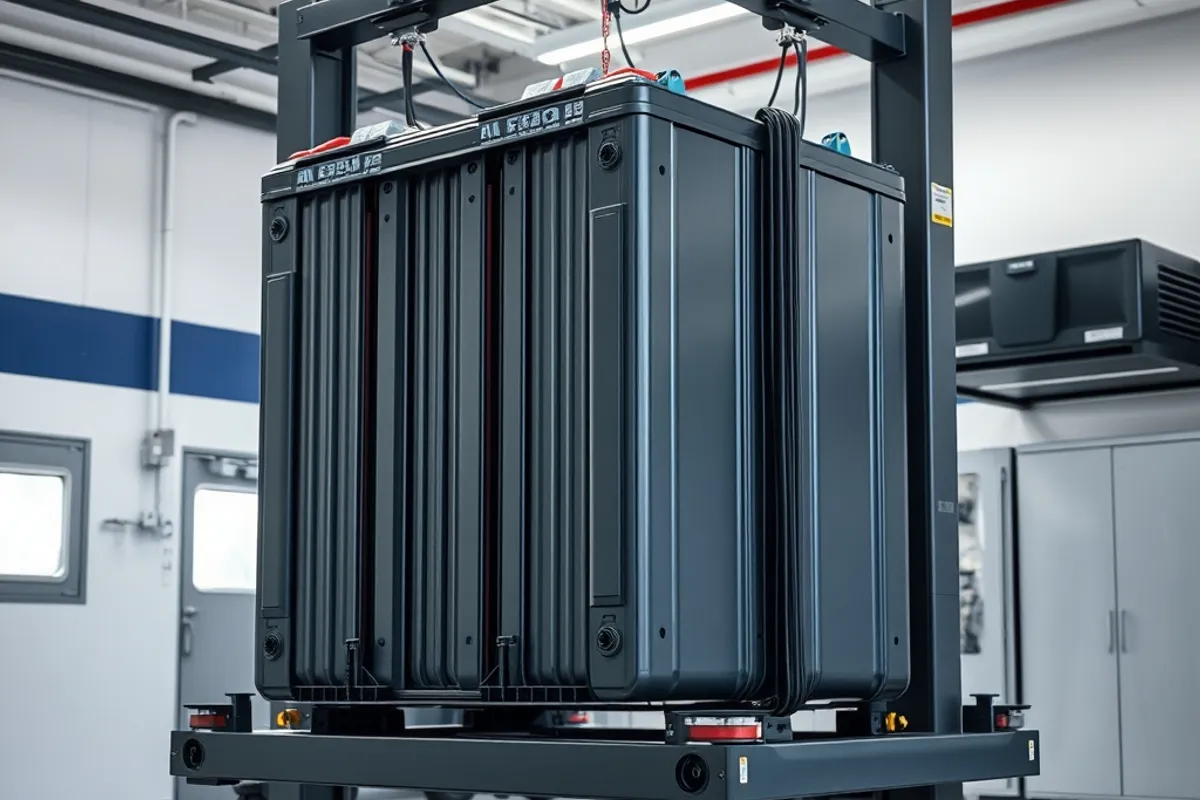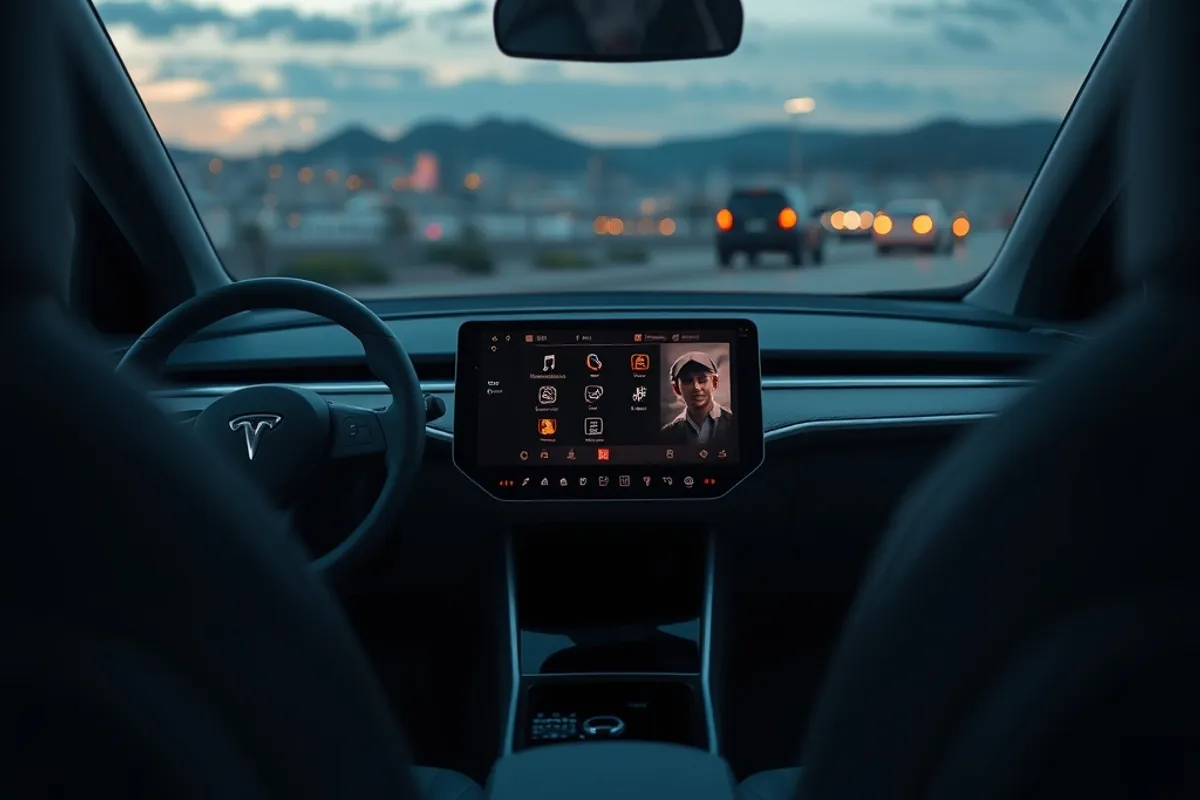
A modern car carries more lines of code than a commercial airliner did in the 1990s, yet most of that code is still split across dozens of small boxes that barely talk to each other. The software-defined car is an attempt to fix that wiring problem before adding anything new.
We spent a month with three 2026 models built on the new architecture and spoke to two vehicle software engineers about what changed. The short version: fewer computers, faster updates and a much longer list of things the manufacturer can alter after you sign.
Key facts
- Software-defined means a few high-power domain controllers replace 60 to 100 separate ECUs.
- Zonal wiring typically removes 15 to 20 kg of copper from a mid-size electric car.
- Over-the-air updates can now change charging curves, pedal maps and driver-assistance behaviour.
- Not everything is updateable: braking and steering changes still need type approval in most markets.
- Feature subscriptions are growing; ask what is included for the full lease or finance term.
What software-defined really means
The phrase gets used for anything with a touchscreen. In engineering terms it describes a car where the functions are written as software services running on a small number of powerful computers, rather than being hard-wired into a dedicated box for each job. A window switch stops having its own controller; it becomes an input to a body computer that already knows how to run windows, mirrors and locks.
That sounds like housekeeping, and mostly it is. The payoff is that a function can be changed once and applied across the range, and that a new feature can ship to cars already on the road. The cost is concentration: when one controller has a bad week, more of the car notices.
The three-layer architecture
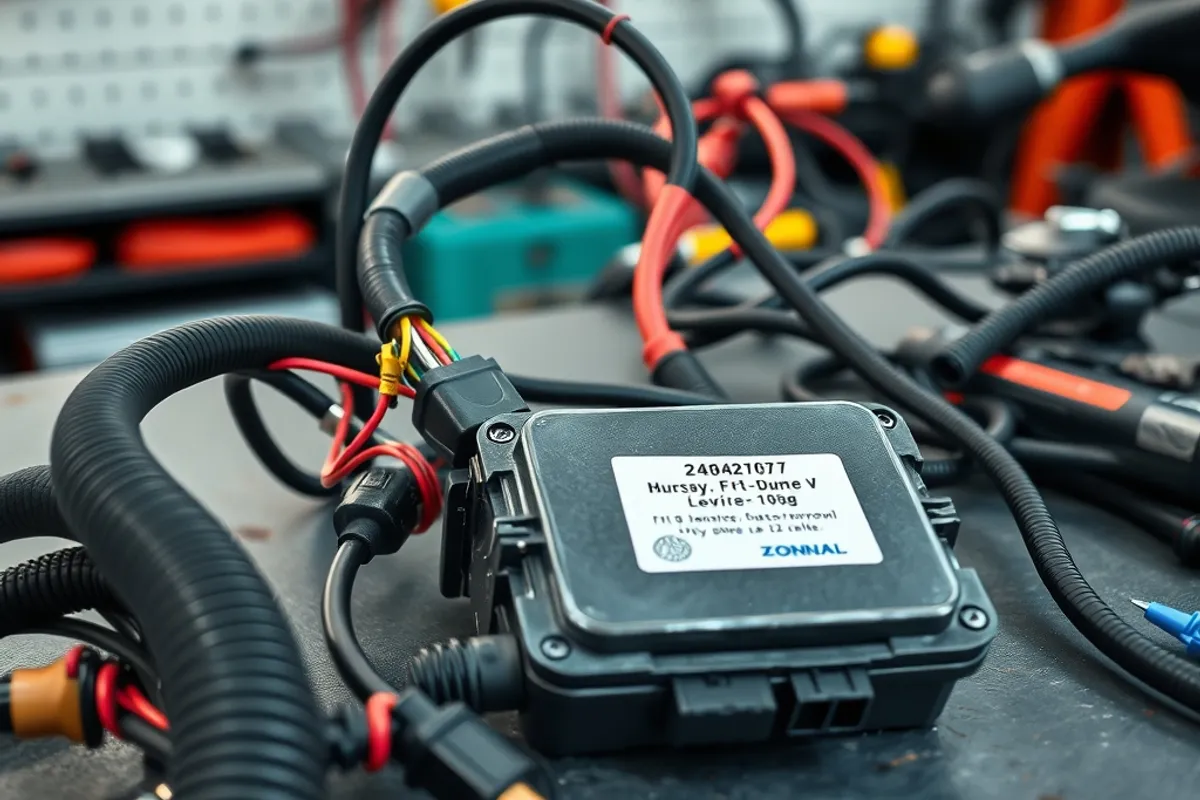
Most 2026 systems split into three layers. At the bottom sit sensors and actuators, connected by short zonal harnesses to a nearby power and data hub. In the middle are a handful of domain computers for drive, body, infotainment and driver assistance. On top is a gateway that talks to the cloud and decides what may be updated.
The zonal part is the quiet revolution. Instead of a loom running the length of the car for every circuit, each corner has a hub that serves whatever is within a metre or two. That shortens the harness, cuts weight and makes a mid-cycle facelift far cheaper to engineer.

What you notice from the driver's seat
In daily driving, the differences are small and slightly odd. The car boots like a laptop: doors unlock instantly, but the climate panel can take a few seconds to respond after a cold start. Updates arrive monthly instead of annually, and some of them genuinely improve the car. One test vehicle gained a better one-pedal mapping and a clearer charge schedule in a single download.
The regressions are real too. A navigation update moved a favourite charging stop 400 metres down the road, and a driver-assistance tweak made lane centring noticeably more nervous on broken markings. Software-defined means the car you bought in March is not necessarily the car you drive in October.
Zonal wiring and the weight payoff
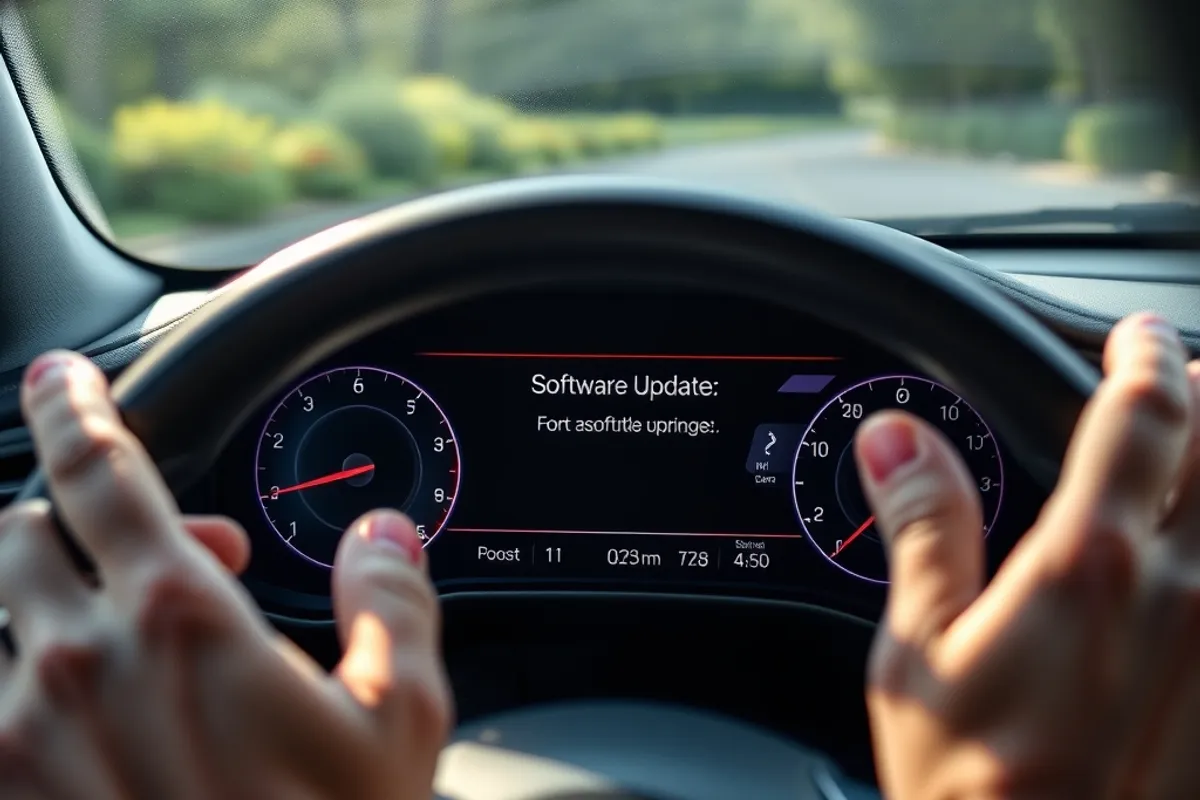
Copper is heavy. A conventional mid-size car can carry 40 to 60 kg of it, and every extra circuit adds another run from the dashboard to the tailgate. Zonal architecture replaces that with a backbone and short local runs. Engineers we spoke to quoted 15 to 20 kg saved on a mid-size EV, which is roughly 1 to 1.5% of total mass and worth a few kilometres of range.
The bigger gain is assembly time. Fewer connectors mean fewer things to route, clip and test on the line. That is why the architecture is spreading from premium EVs into mainstream models faster than the marketing suggests.
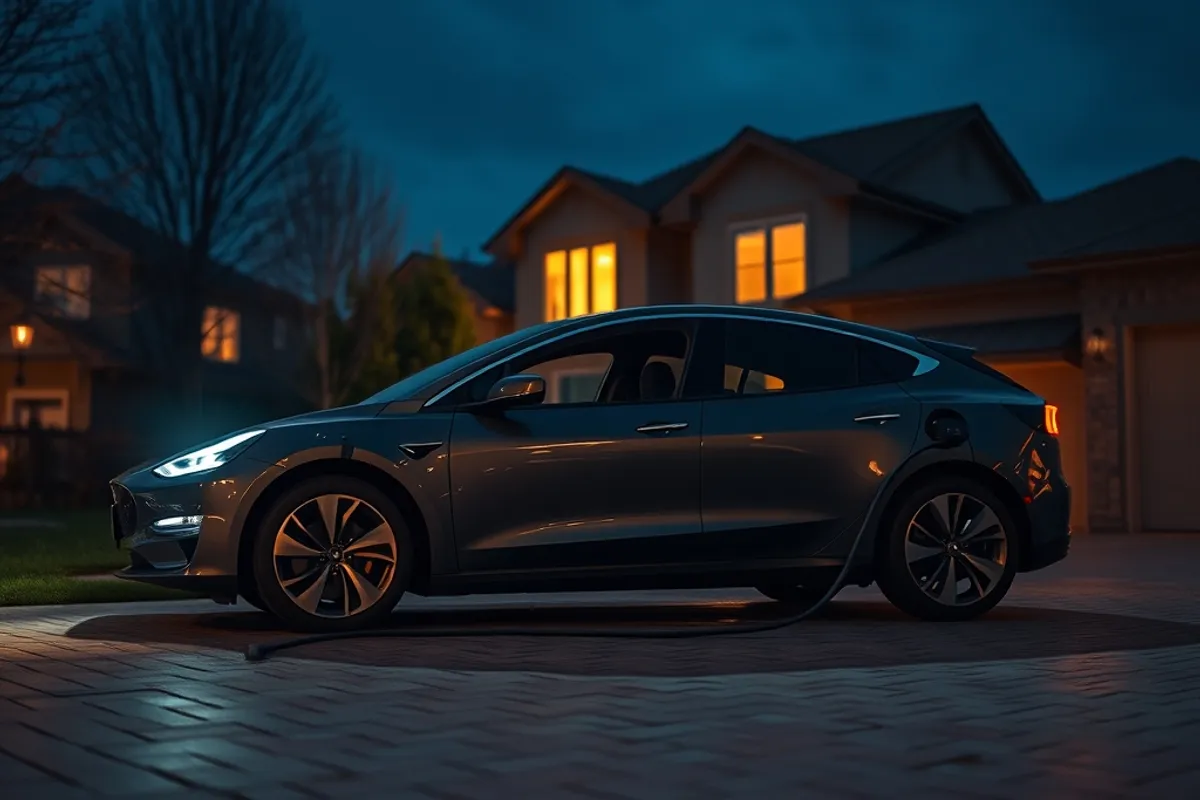
The hardware sets the ceiling. The software decides how close you get to it, and who gets to raise it later.
Subscriptions, feature locks and ownership
Because the hardware is now standardised, manufacturers can build every car with the same sensors and unlock features later. Heated seats, matrix headlights, advanced cruise control and even performance modes have all appeared as paid unlocks. Some are one-off purchases; others are monthly.
The fair version is simple: the price is disclosed at order, the feature works offline, and it stays with the car when you sell it. The unfair version is a feature that was demonstrated at the test drive, then requires a subscription to keep working after the trial. Read the order form for the words included for the term, and ask what happens at the end of it.
Safety, updates and the regulation gap
Regulators have not kept pace with the update cadence. In the United States, manufacturers must report safety-related over-the-air changes to NHTSA, and in Europe type approval still governs braking, steering and lighting. A car cannot legally rewrite its braking behaviour through a download without going back through the process.
That leaves a grey zone in convenience features: lane-centring tuning, throttle response, battery preconditioning. These can change quietly. Ask your dealer for the software release notes, and keep them. If a behaviour changes after an update, the notes are your evidence.
What to check before you buy
Ask four questions. Which functions are hardware-fitted but software-locked? What is included for the full finance or lease term? Can the car receive updates without a dealer visit, and for how many years? And what happens to those features if the manufacturer's connectivity service is discontinued?
Then check the basics: a car with a strong update record and a weak warranty is a worse bet than a simpler car with a long one. The architecture is not the product. The support behind it is.
Official source: nhtsa.gov.