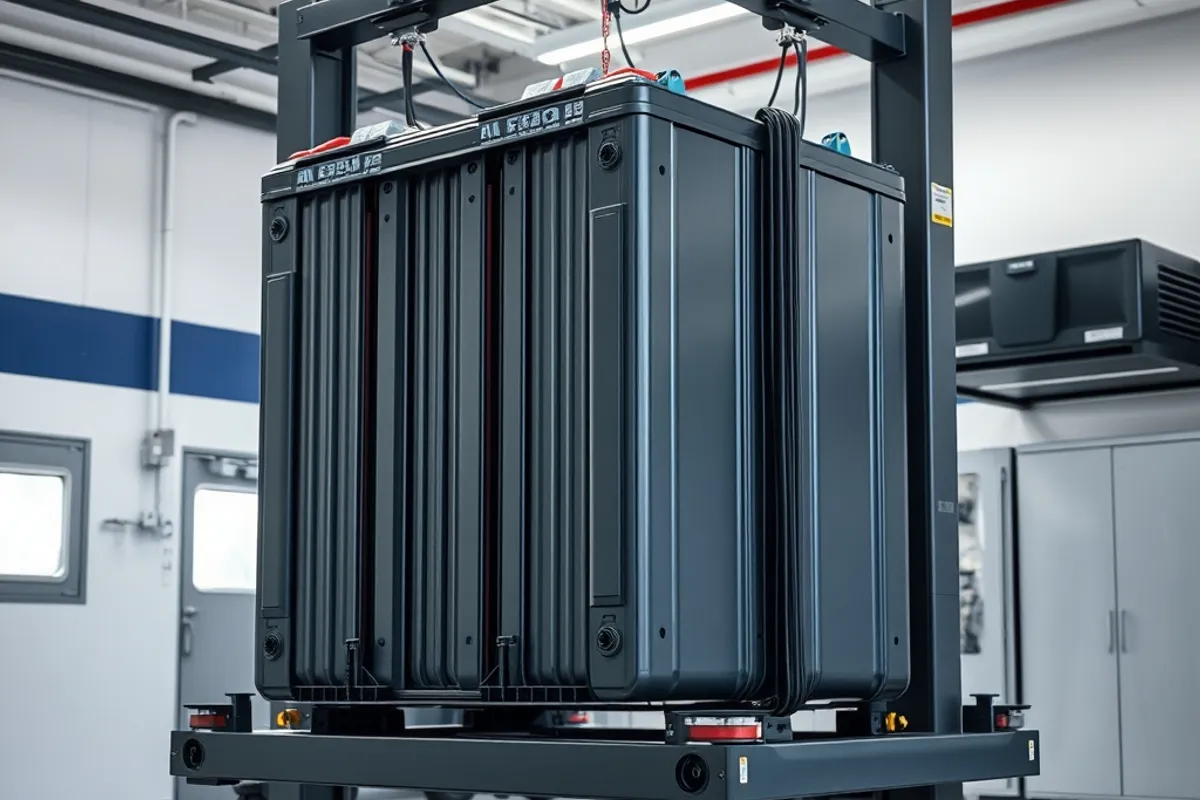
Two electric cars can quote the same 82 kWh and behave like different species. One holds its range for a decade of commuting, the other charges slowly in the cold and loses a fifth of its capacity in five years. The difference is chemistry, thermal management and the charging curve, not the number on the brochure.
This guide explains the three battery families on sale in 2026, what the test data actually shows about degradation, and why the solid-state cells in the headlines are not yet the reason to delay a purchase.
Key facts
- LFP cells are cheaper and more tolerant of full charging, but roughly 20 to 30% heavier per kWh.
- NMC cells pack more energy into less weight, which still matters for long-range and towing.
- Peak charging power is marketing. The 10 to 80% curve is what you live with.
- Fleet data shows LFP packs often retain 90% capacity past 150,000 km when thermally managed.
- Solid-state cells are shipping in small volumes in 2026, mostly in premium and performance models.
The three chemistries that matter
Almost every EV on the road uses lithium-ion cells, but the cathode recipe varies. LFP uses lithium iron phosphate: cheap, stable, and happy to sit at 100% charge. NMC uses nickel, manganese and cobalt: more energy per kilogram, more expensive, and less fond of being held at full charge. LMO and NCA variants sit around the edges, mostly in older or performance cars.
The practical split in 2026 is blunt. Short-range and urban EVs increasingly use LFP. Long-range, towing and performance models stay on NMC or its high-nickel relatives. Neither is better in the abstract; each is better at a job.
LFP: cheaper, safer, heavier
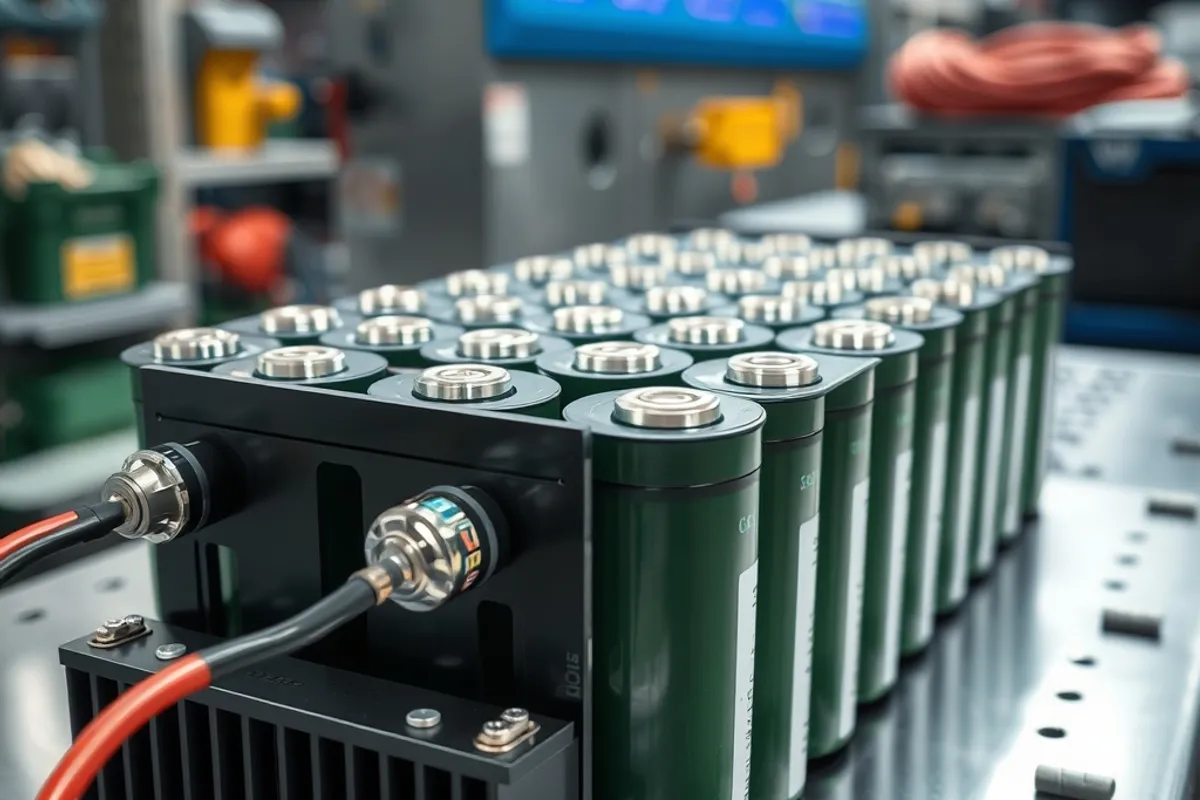
LFP has won the volume war. It avoids cobalt, tolerates abuse and can be charged to 100% every night without the same anxiety. The trade-off is density: a comparable pack weighs more, so an LFP car either carries less range or carries more battery for the same range.
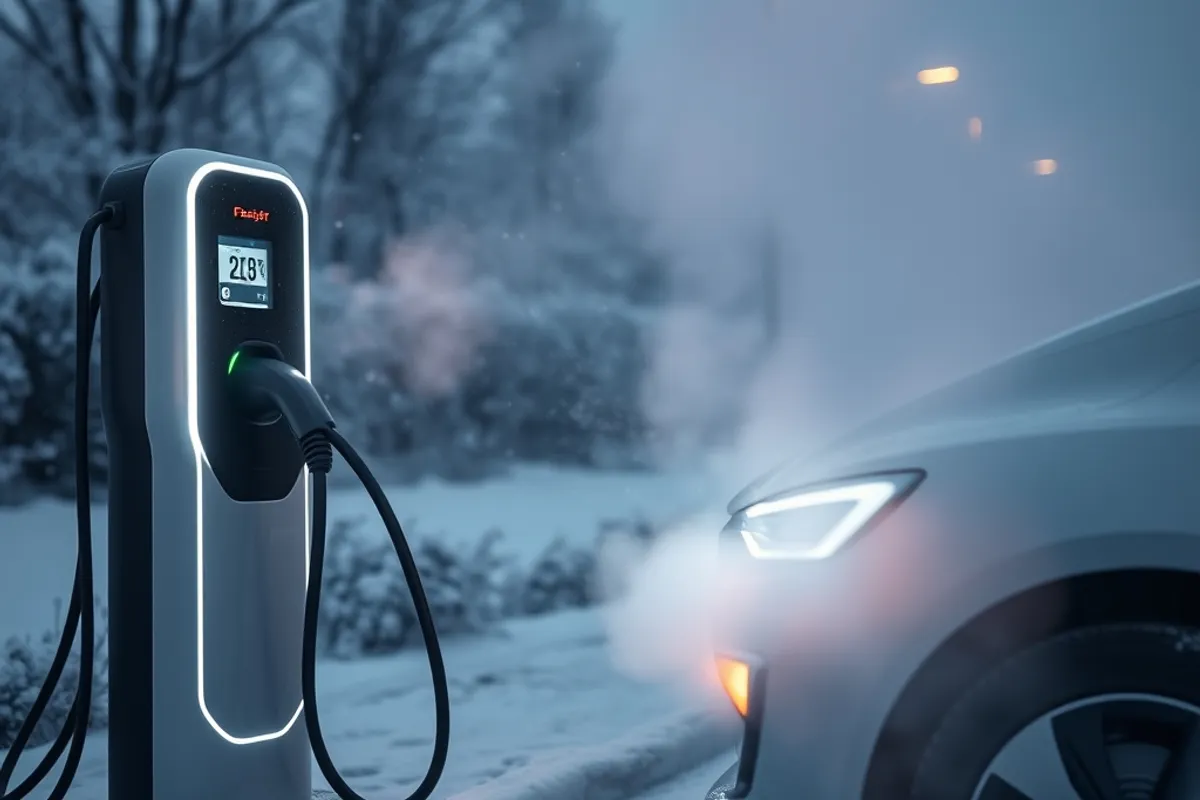
Cold weather is the other weakness. LFP cells deliver less power when they are cold, which is why several 2026 models now heat the pack aggressively before fast charging. If you park outside in a cold climate, check whether the car has a heat pump and battery preconditioning. Those two options matter more than the chemistry badge.
NMC and the energy-density trade
NMC remains the choice when every kilogram counts. A modern high-nickel pack can store roughly 30% more energy per kilogram than LFP, which is the difference between a 400 km and a 500 km car, or between towing 2,000 kg and towing 1,500 kg with confidence.
The cost is thermal management and charge discipline. NMC packs prefer to live between 20% and 80%, and they generate more heat under load. Cars with active liquid cooling and a well-designed charging curve handle this fine. Cars with air cooling and an aggressive fast-charge strategy age faster, and the used market is starting to price that in.

Solid-state: what is actually shipping
Solid-state cells replace the liquid electrolyte with a solid material, which promises higher energy density and better safety. In 2026 they exist in production, but in small numbers and at premium prices. Toyota, Nissan and a handful of Chinese brands have limited programmes; most are in performance or flagship models rather than commuter cars.
Do not wait for them. The first generation is expensive, charging infrastructure is not yet tuned for it, and the real-world advantage over a good NMC pack is smaller than the press releases imply. The bigger 2026 story is cheaper LFP packs with better thermal systems, which improve the car most people can actually afford.
Range is a number on a sticker. Charging curve, thermal management and warranty are the things you actually live with.
Charging curves matter more than peak kW
A car that peaks at 250 kW for 90 seconds is slower on a road trip than one that holds 150 kW from 10 to 70%. The shape of the curve is set by chemistry, cooling and the manufacturer's buffer strategy. It also changes with temperature and state of charge.
When you compare cars, look for a 10 to 80% time quoted at a realistic ambient temperature, not a laboratory best case. Then check independent tests at 0°C and at 35°C. A car that behaves predictably in both is worth more than one with a spectacular number on a mild day.
Degradation: what the fleets show
Fleet telemetry is finally long enough to be useful. Thermally managed LFP packs commonly retain around 90% of original capacity after 150,000 km, with the steepest loss in the first year. NMC packs can match that, but they are less forgiving of repeated DC fast charging and long periods at high state of charge.
The habits that matter are unglamorous: avoid leaving the car at 100% for days, precondition before fast charging in the cold, and do not rely on the dashboard percentage as a health measure. Ask for a battery health report before buying used, and treat anything below 85% at five years as a negotiating point.
How to read a battery spec sheet
Start with usable capacity, not gross. Then find the chemistry, the thermal system, the maximum AC and DC charge rates, and the warranty's capacity guarantee. A 70% guarantee at eight years is weaker than an 80% guarantee at eight years, even if the first number looks friendlier.
Finally, match the car to your week. If you drive 60 km a day and charge at home, an LFP car will be cheaper and last longer than you expect. If you tow, cross mountain passes or regularly drive 400 km in a day, pay for the density and the cooling. The chemistry follows the job.
Official source: energy.gov.