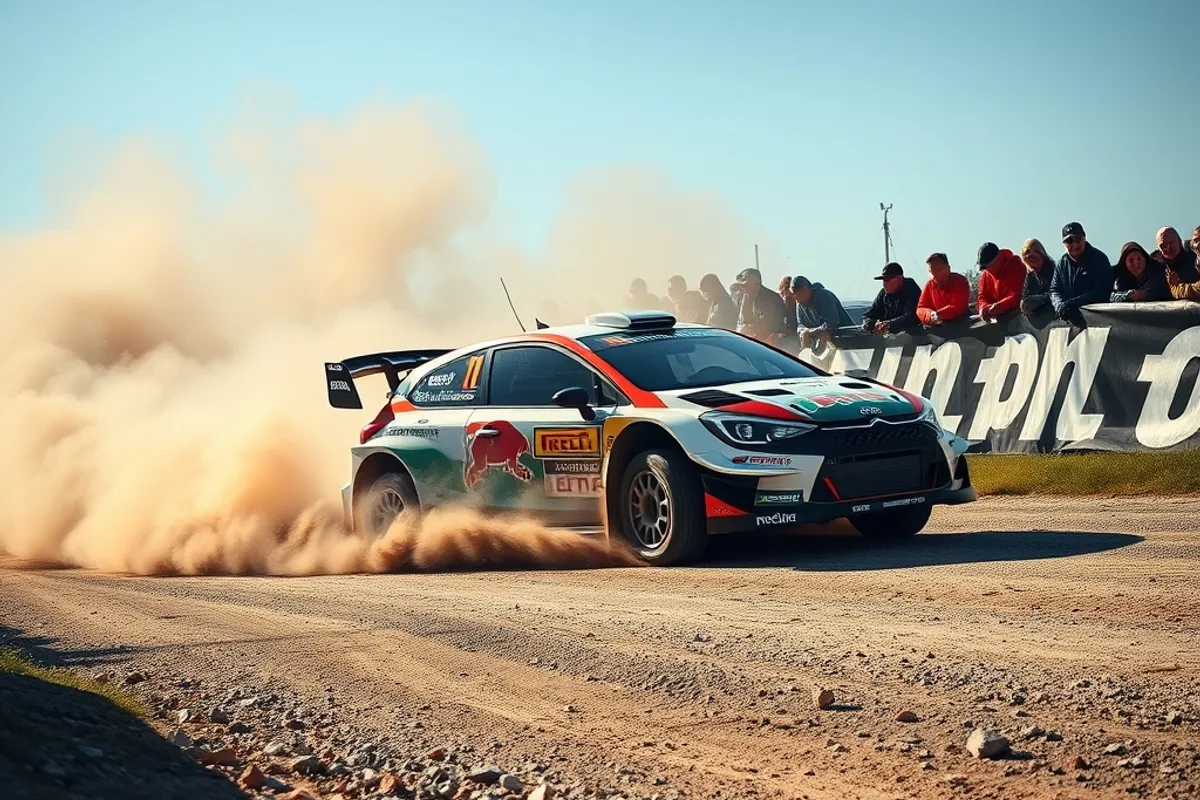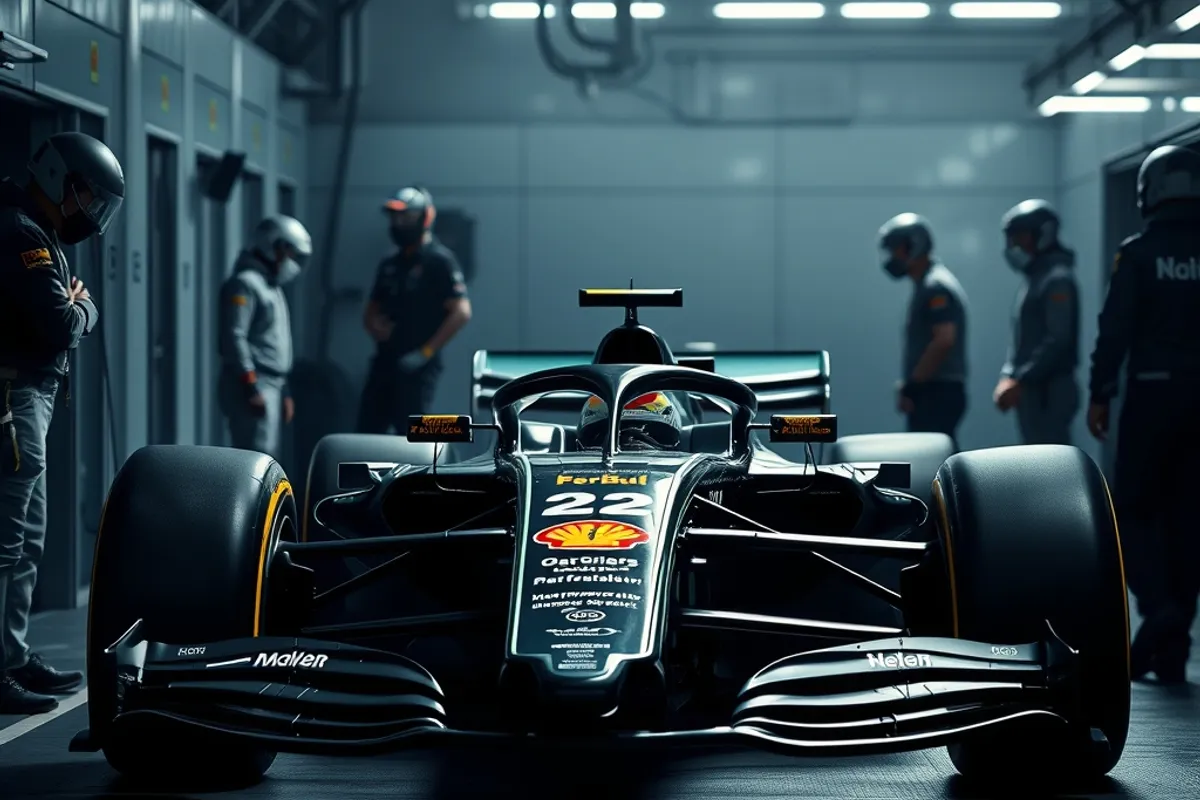
Formula 1's 2026 regulations are the biggest reset in a decade: a near-equal split between combustion and electrical power, active aerodynamics on both axles, and a smaller, lighter car that is meant to race in traffic. The first season under the rules showed which teams read the brief and which read the headline.
We look at the engineering decisions that mattered, why the fastest car was not always the best race car, and what the first year tells us about the next three.
Key facts
- The 2026 power unit produces roughly 50% of its power from the electrical side.
- Active front and rear aero replaces the previous drag-reduction system with a broader mode range.
- The minimum weight rose relative to the 2025 car despite a shorter wheelbase and narrower body.
- Energy management over a lap became a bigger differentiator than peak downforce.
- Teams that optimised for following another car gained more in race trim than in qualifying.
The power unit split changed everything
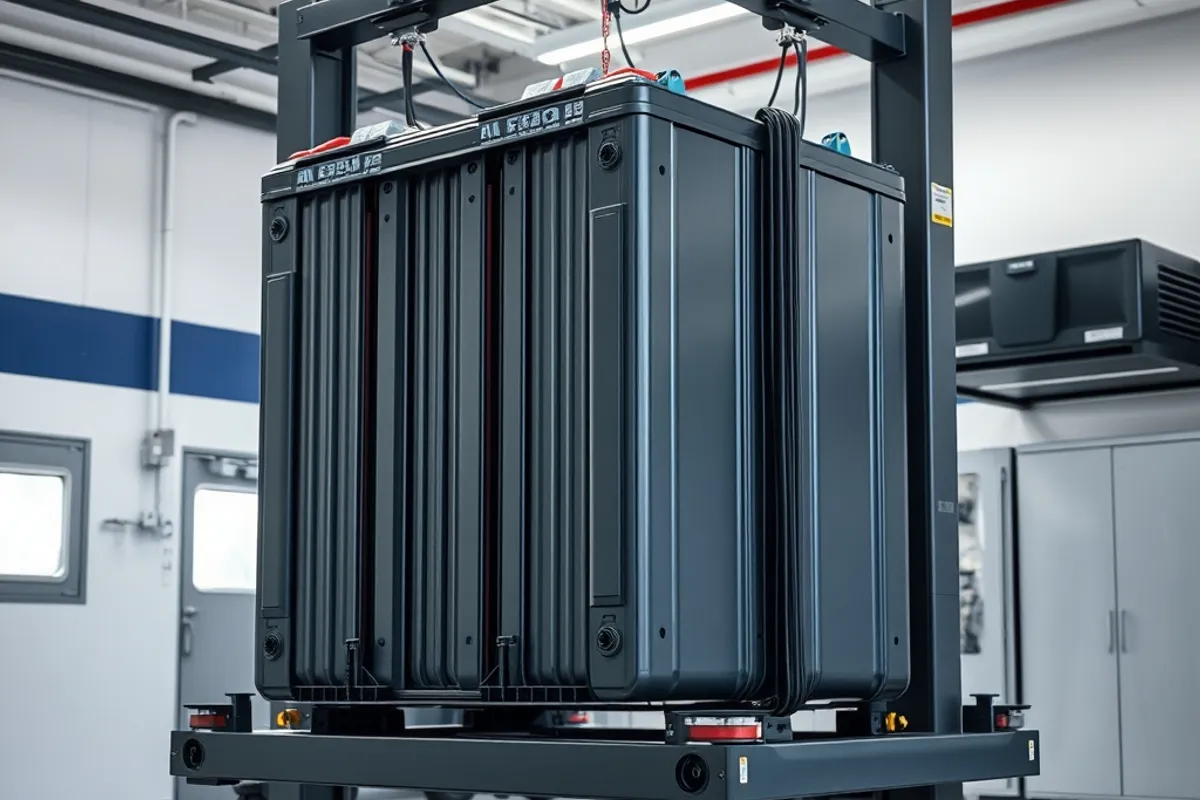
The 2026 rules push the electrical component to roughly half of total output, with a much larger battery and a more powerful motor-generator. That changes the shape of a lap. Instead of managing fuel, drivers manage energy: when to deploy, when to harvest, and how much to save for the straight that matters.
Teams that built a efficient combustion unit and a robust energy recovery system could run closer to maximum deployment for longer. Teams that chased peak power found themselves lifting early to recharge. The lap time difference was often in the deployment map, not the dyno sheet.
Active aero: more than a drag switch
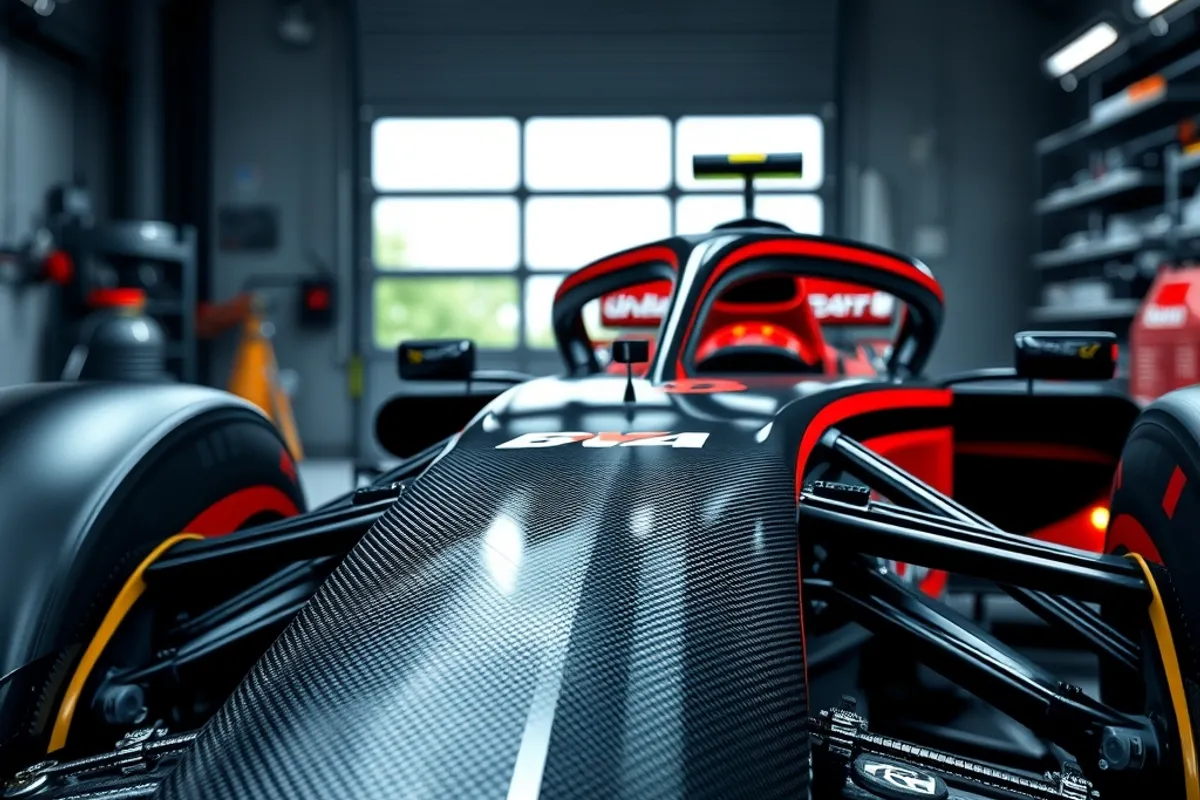
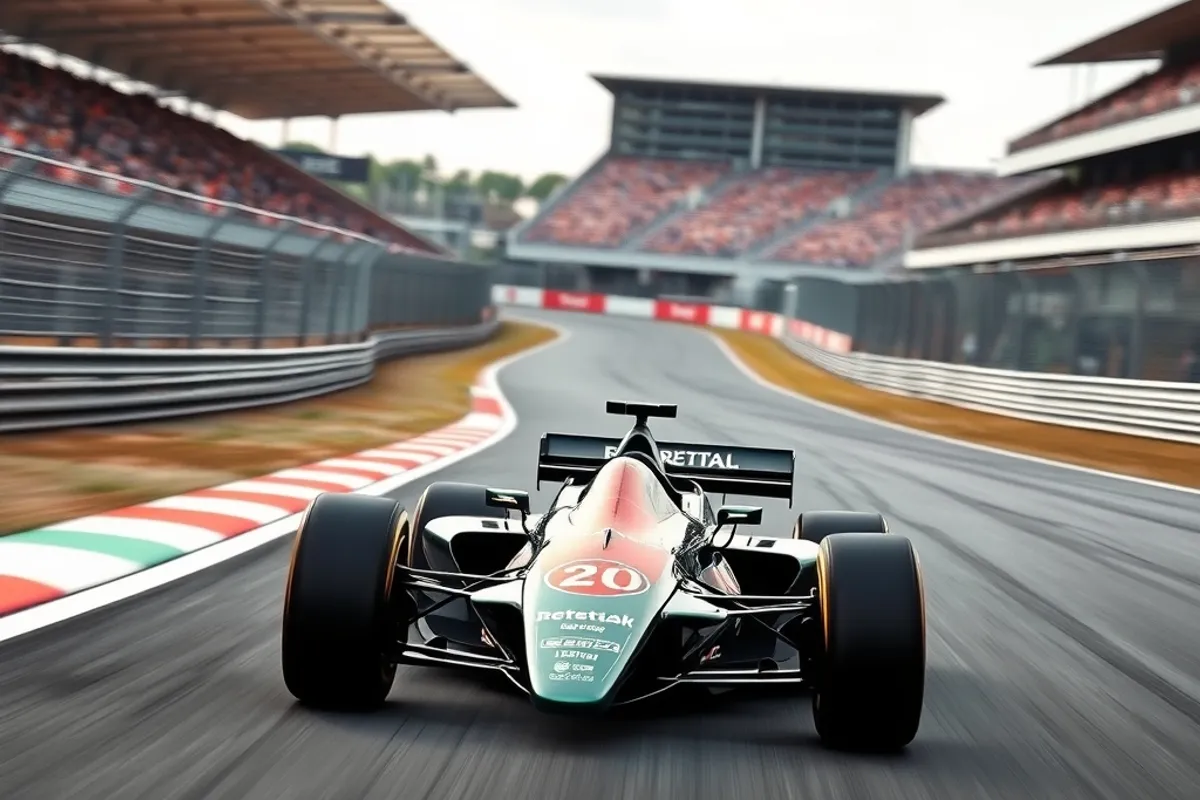
Active aero moves beyond a single rear-wing flap. The 2026 cars can adjust front and rear surfaces together, changing the balance of the car as well as its drag. In qualifying, the low-drag setting is obvious. In a race, the interesting part is how the car behaves in the medium settings while following another car.
The best cars kept a predictable balance across the mode range. The worst gave the driver a car that switched from understeer to snap oversteer as the aero moved. Drivers can adapt to a slower car; they cannot adapt to a car that changes personality mid-corner.
The weight problem nobody solved
The new cars are shorter and narrower, but the battery, the safety structures and the hybrid systems pushed the minimum weight up. Every team spent the winter trying to remove mass from the same places, and every team found the same answer: the last 10 kg are the hardest.
Weight shows up in tyre degradation and in the first lap of a stint. A heavier car punishes its tyres earlier and struggles in slow corners. The teams that could run a lighter chassis and still pass the crash tests gained a compound advantage over a race distance.
Following another car is finally possible
The previous rules made close following a punishment: the car behind lost downforce exactly when it needed it. The 2026 bodywork and the active aero were designed to reduce that. The result is not perfect, but it is better. Drivers can sit within a second and still have a front end.
The teams that understood this built cars that were slightly slower in clean air but much stronger in a train. That is why some qualifying positions looked ordinary and some race results looked surprising. The rules rewarded a different kind of optimisation.
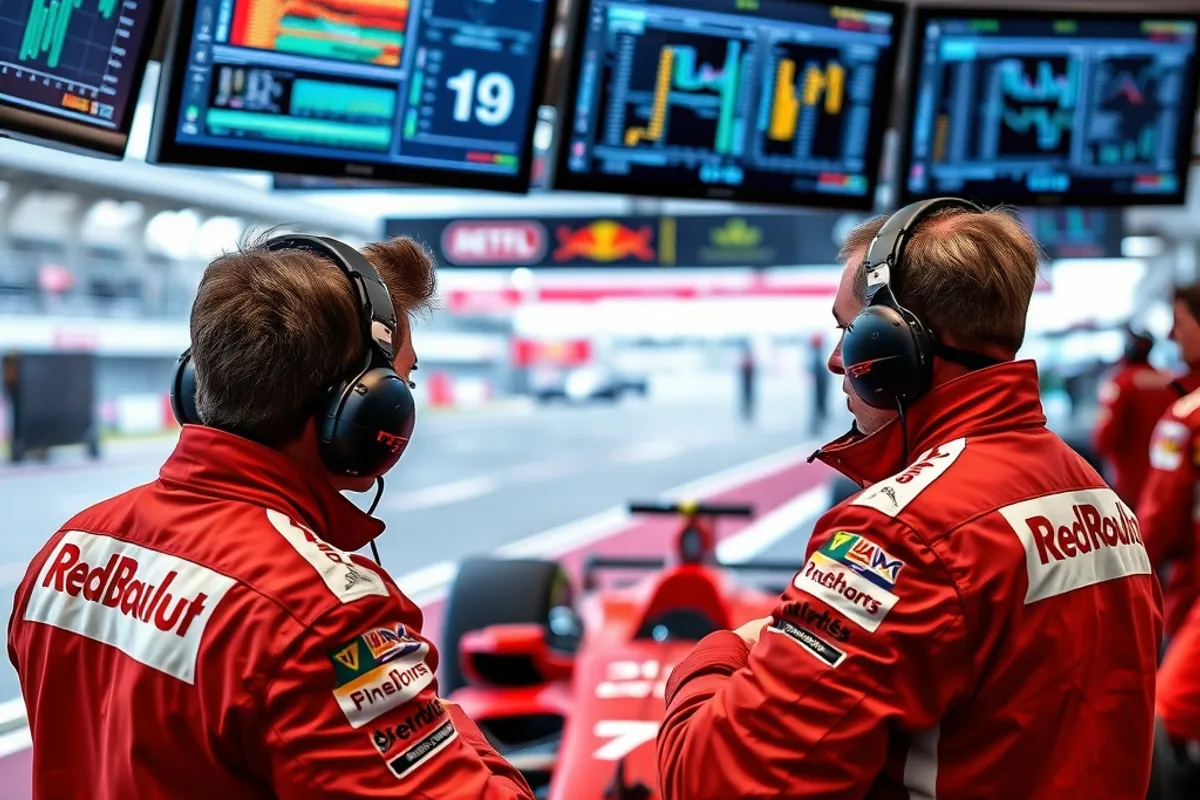
The fastest car in clean air is not always the fastest car in a race. The 2026 rules made that difference visible.
Tyres and the new load case
More electrical torque and a heavier car change how the rear tyres are loaded. Traction management became a bigger part of the lap, and the teams that could deploy power without spinning the rear tyres gained time out of slow corners. It also changed strategy: a car that is gentle on its rears can run longer.
Pirelli's 2026 compounds were designed for the new loads, but the first half of the season still produced surprises. Some teams could not switch the tyre on for a single lap; others could not keep it alive for a stint. The sweet spot moved, and the teams that found it early banked points.
What the first season tells us
Three things. First, the power unit and the energy management are now a single design problem; you cannot bolt one onto the other. Second, the active aero rewards balance, not just peak downforce. Third, the weight limit is a performance parameter, not a compliance box.
None of this is a surprise to the engineers. It is a surprise to anyone who expected the fastest qualifying car to dominate. The 2026 rules made race pace more dependent on how the car behaves in traffic and on how gently it treats its tyres. That is a better sport, even if the lap times took a while to arrive.
The development race ahead
With the architecture frozen for several years, the gains will come from refinement: better cooling, lighter structures, smarter energy maps and aero updates that fit the cost cap. The team that arrives at the midpoint with the best understanding of its own car usually wins the second half.
The first season under a new ruleset is always a sorting exercise. The next one is where the real hierarchy forms. If the 2026 cars already race this closely, the 2027 fights should be worth watching.
Official source: formula1.com.