Most winter breakdowns are not mechanical failures. They are a flat battery, a car that will not start because the wrong oil is in it, or a driver who braked on ice the way they brake on tarmac. A handful of habits prevents most of it.
These are the fifteen we have found most useful across years of cold-climate driving, from the night before a freeze to the moment the rear end steps out on a bridge.
Key facts
- A battery loses roughly 30 to 50% of its cranking power at -18°C; test it before winter.
- Clear all glass and mirrors before moving; a peephole is not visibility.
- Brake earlier and softer on ice, and steer with smooth inputs.
- Leave a four-second gap in wet conditions and eight or more on snow.
- Carry a scraper, blanket, torch, jump pack and a bag of grit or sand.
Prepare the car before the first freeze
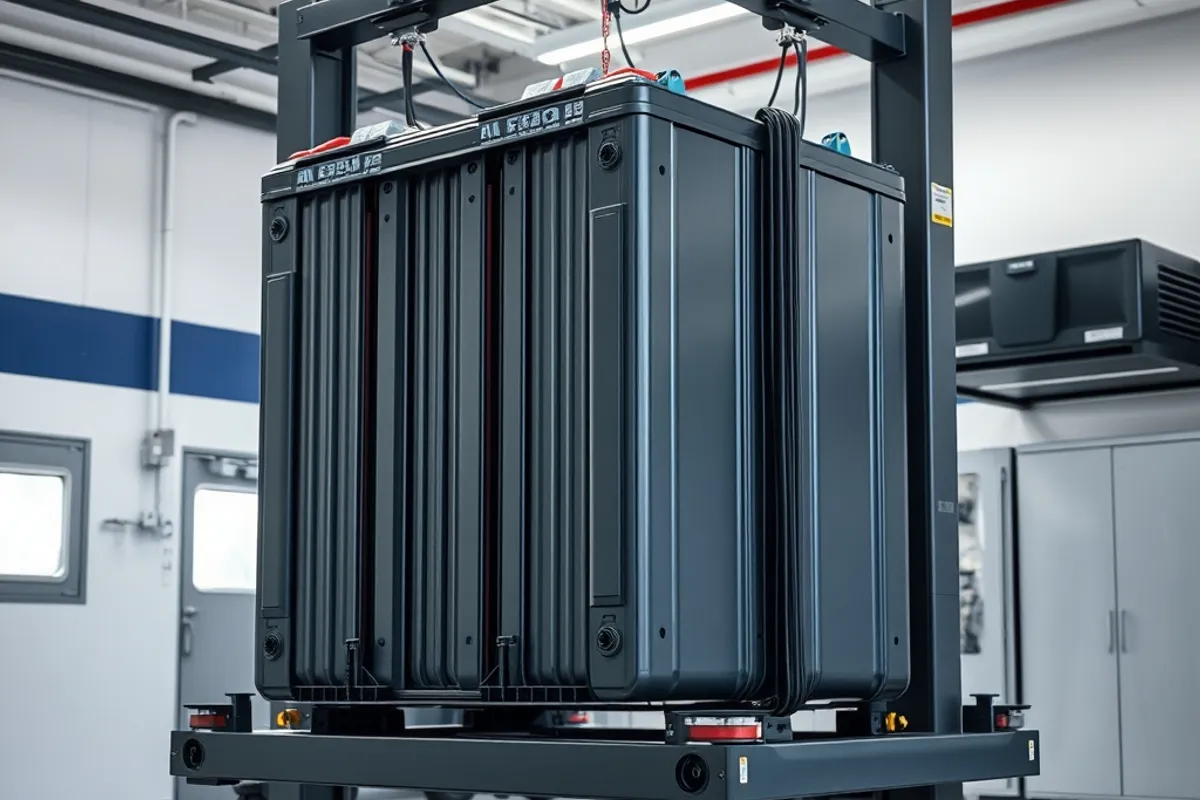
Test the battery in October, not on the morning it fails. Cold reduces cranking power and a battery that is marginal in summer will let you down at -10°C. Check the coolant concentration, the washer fluid rating, and the tyre pressures, which drop roughly 1 psi per 5°C of temperature fall.
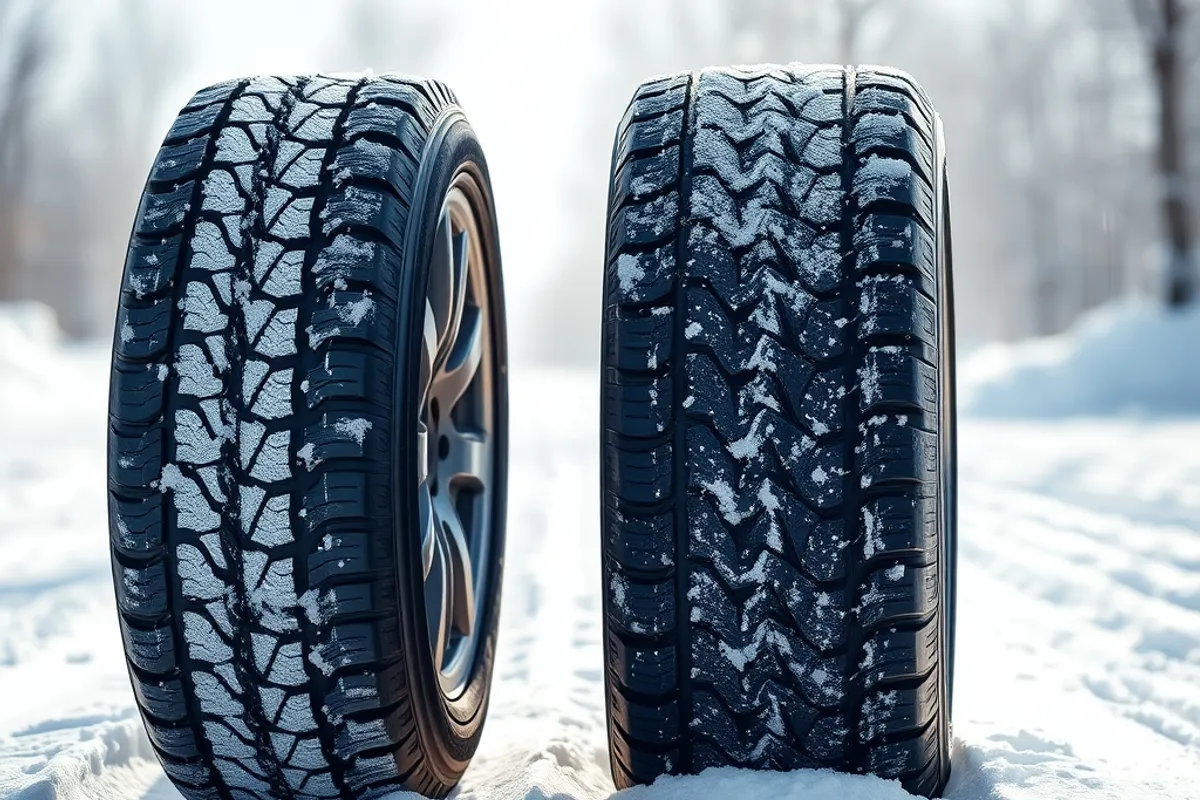
Change to winter or all-weather tyres before the first snow, not after. Fit the correctly rated tyres and check the spare or inflation kit. Top up with a winter-grade washer fluid and keep the tank above half. These are cheap, boring steps that decide whether your week starts with a tow truck.
Clear the glass, the roof and the lights
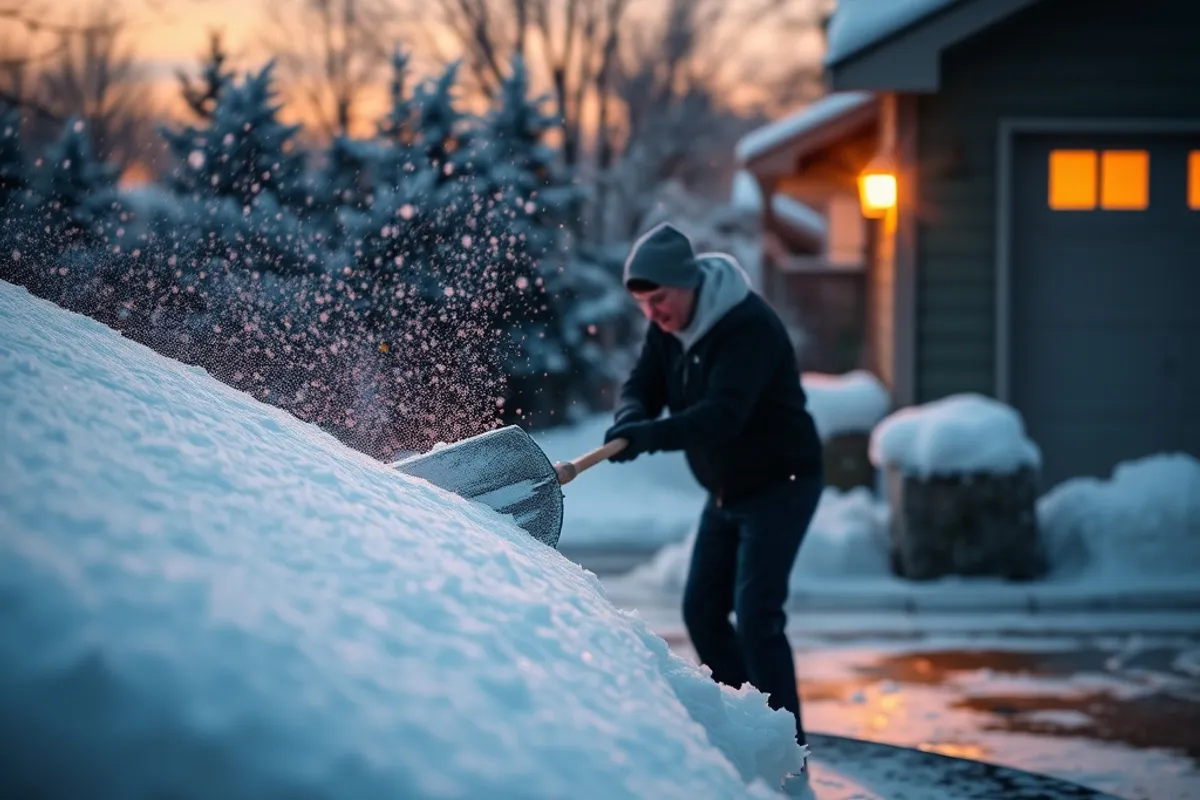
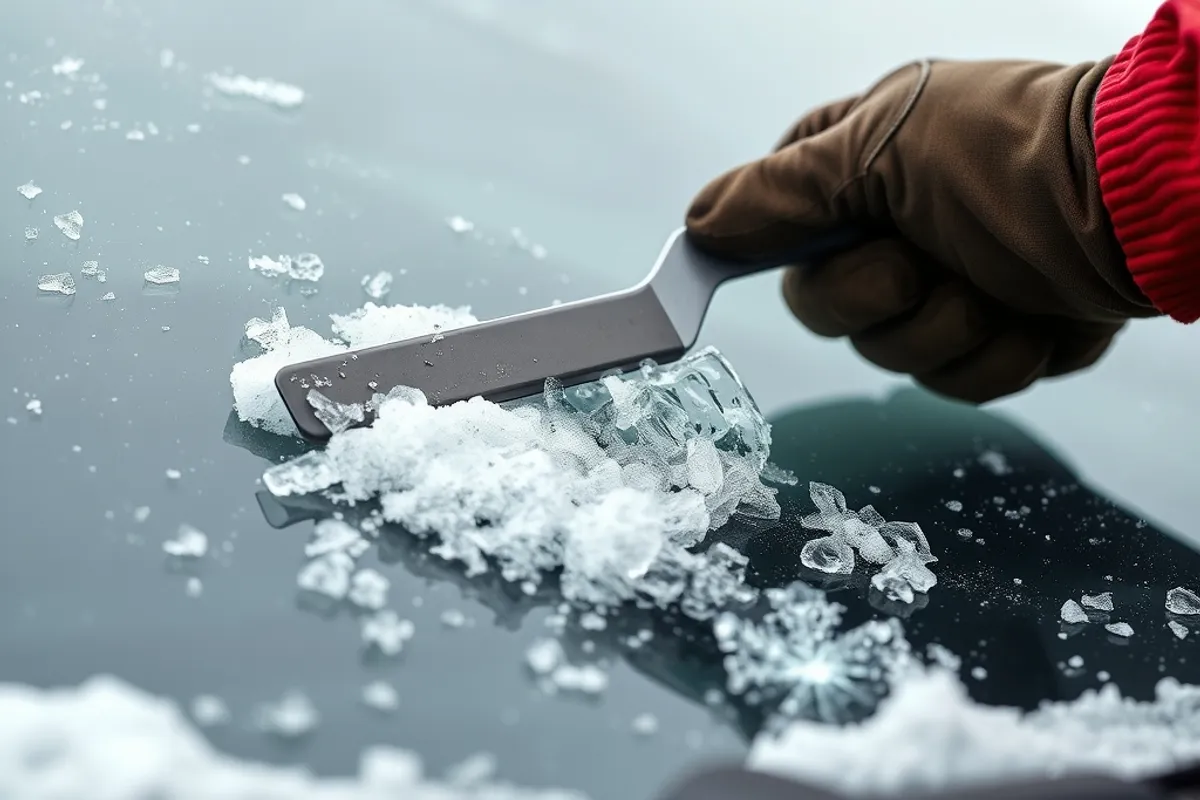
Clear every window, both mirrors, the lights and the number plates. A small peephole is not visibility, and snow left on the roof will slide forward onto the windscreen the first time you brake hard. It can also blind the driver behind you.
Let the car warm up while you scrape, but do not leave it running unattended in a closed space. Use the defroster on full and the rear screen heater. If the wipers are frozen to the glass, free them by hand before switching them on, or you will strip the linkage.
Drive with your hands and your eyes ahead
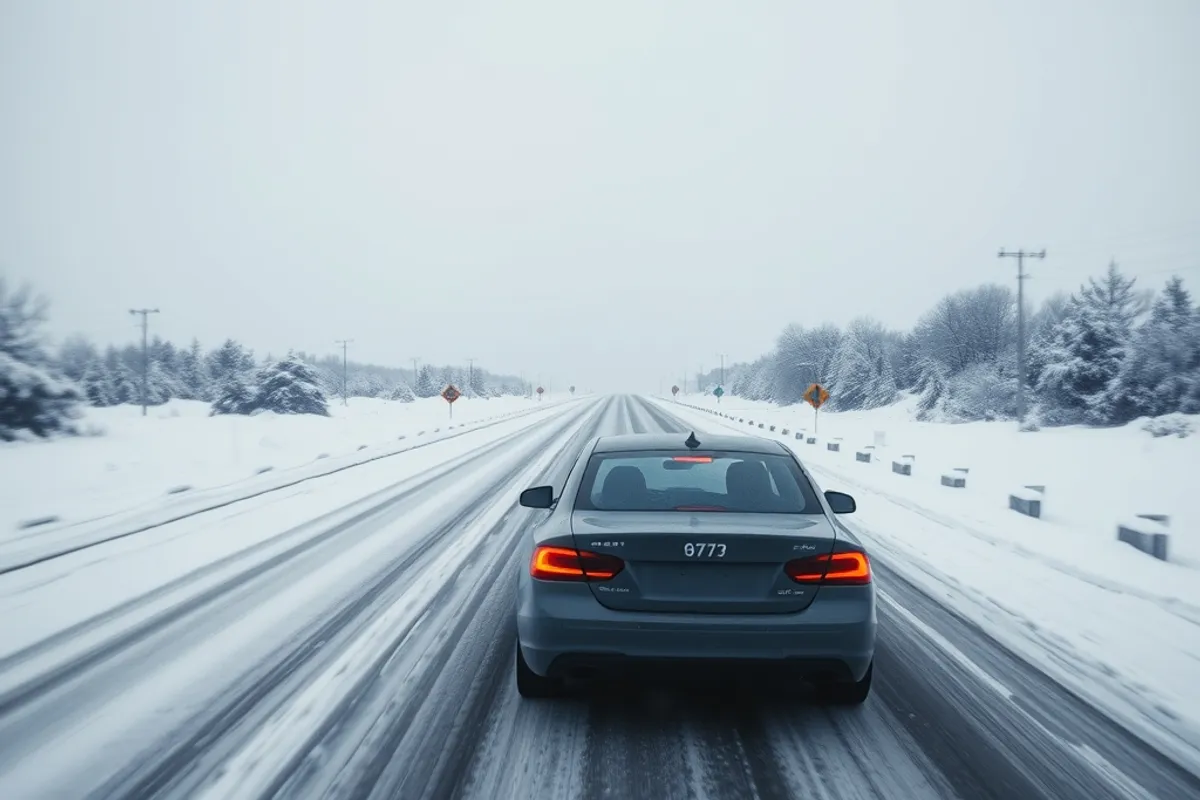
On a low-grip surface, every control input should be smooth. Squeeze the brake, do not stab it. Turn the wheel progressively and unwind it before adding power. Most winter slides begin with a sudden input, not with speed.
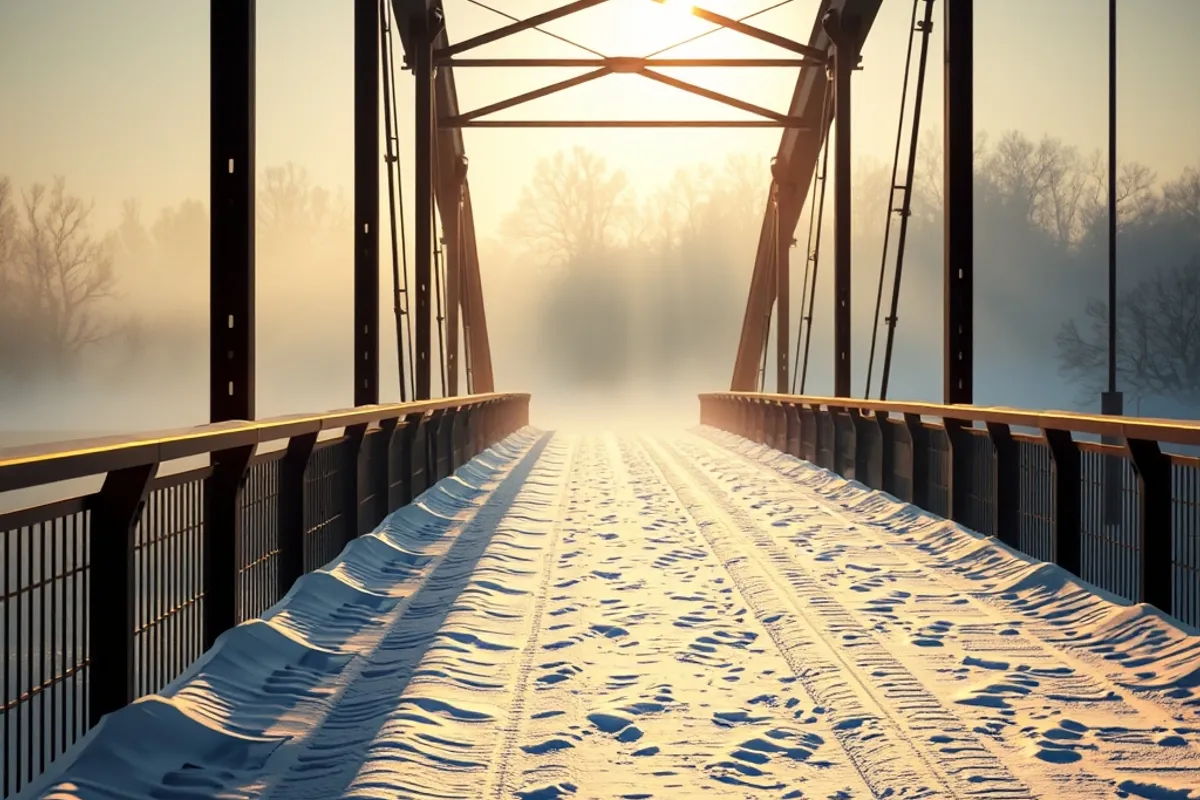
Look further ahead than usual, at least 12 to 15 seconds of road, and scan for shiny patches, bridge decks and shaded corners where ice survives. If the steering goes light, you are on something slippery. Ease off the throttle and keep the wheel straight.
Braking and the four-second gap
Brake earlier and softer, and finish braking before you turn. Trail braking into a corner works on dry tarmac; on snow it asks the front tyres to do two jobs at once. If the car has ABS, hold steady pressure and let it work. Do not pump the pedal.
Leave a four-second gap in wet conditions and eight or more on snow. That gap is not just for your reaction time; it is for the car behind you, who may have less grip than you do. If someone is tailgating, increase the gap in front so you can slow gradually rather than brake suddenly.
You cannot brake for a surface you have not seen. Slow down, look further, and give the person in front room to make a mistake.
When the car slides, look where you want to go
If the front washes out, ease off the throttle and straighten the wheel slightly. Adding lock will not create grip that is not there. If the rear steps out, look and steer where you want the car to go, and be ready to catch the correction without overcorrecting.
On front-wheel-drive cars, a small amount of throttle can pull the nose back into line. On rear-wheel drive, lift gently and steer. On all-wheel drive, do not assume grip is unlimited; it helps you accelerate, not stop. The bridge deck is still ice.
Hills, junctions and the art of not stopping
On a snowy hill, momentum is your friend. Keep a steady, modest speed and avoid stopping if you can. At a junction, brake early and gently, leave room to steer around a stuck car, and use the highest gear that will pull away without wheelspin.
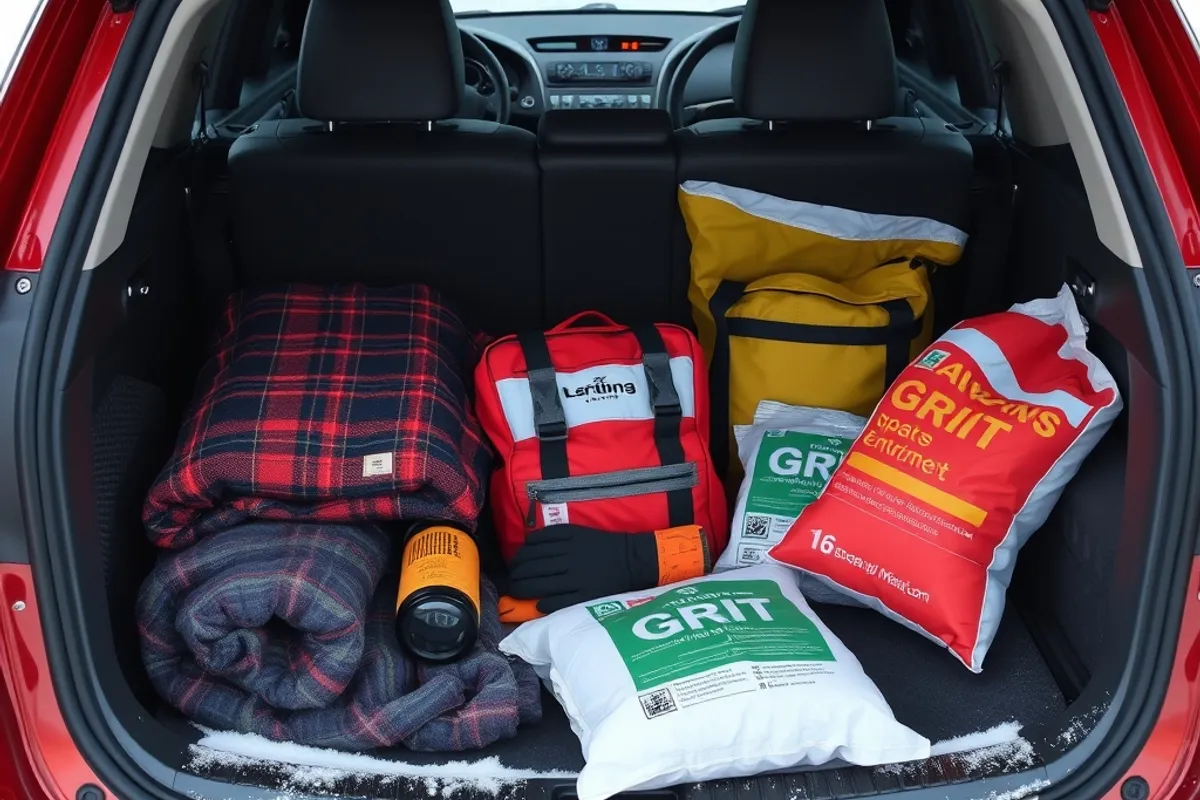
If you do get stuck, straighten the wheels, clear snow from around the tyres, and rock gently between forward and reverse. Do not spin the wheels at speed; it digs you deeper and can overheat the transmission. A bag of grit in the boot has rescued more drivers than any gadget.
The kit that earns its space
Carry a scraper and brush, a blanket, a torch, a jump pack, gloves, a high-visibility vest, a bag of grit or sand, and a phone charger. In remote areas add water, a snack and a folding shovel. Check the kit before winter and replace what you borrowed.
If you get stranded, stay with the car, keep the exhaust clear of snow, and run the engine only long enough to warm up. Crack a window for fresh air. Tell someone where you are going and when you expect to arrive. Preparation is the least exciting part of winter driving, and the part that matters most.
Official source: nhtsa.gov.