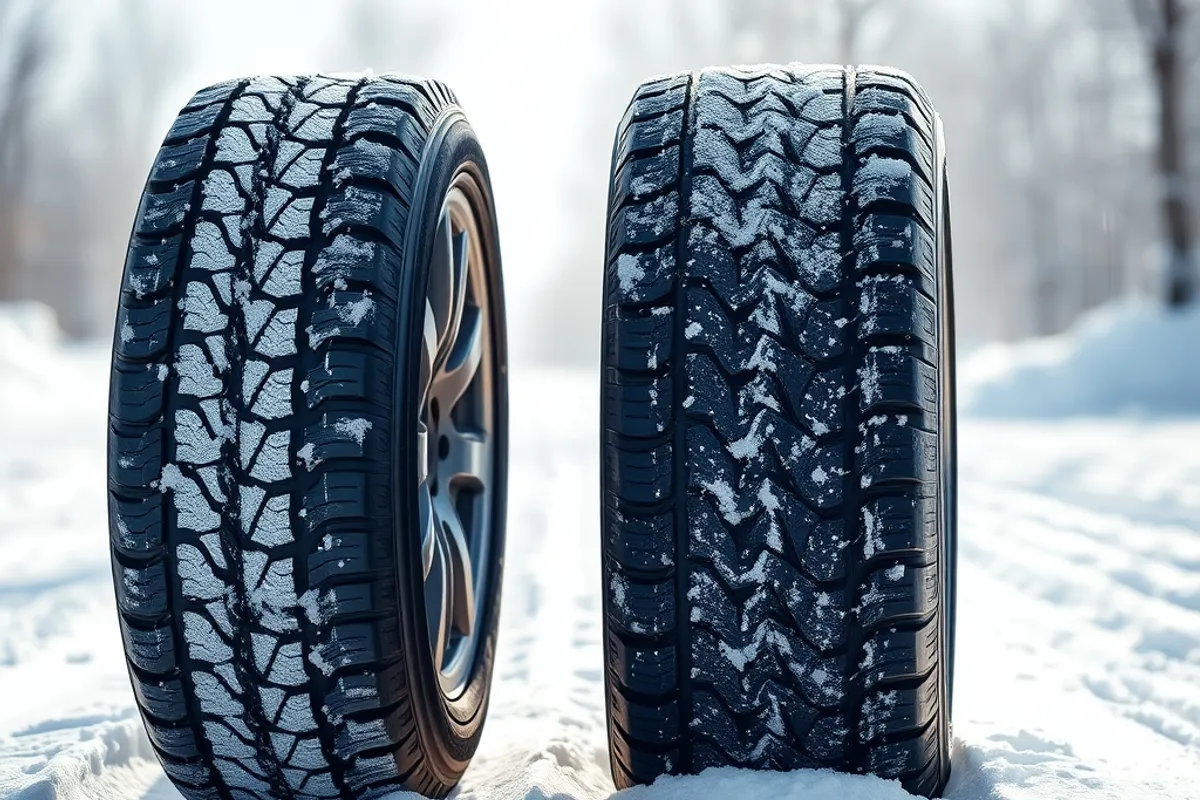
Every autumn the same argument returns: do you really need winter tyres, or will a modern all-season cope? The honest answer depends on three things — temperature, the kind of snow you get, and how much of your driving is on hills.
We looked at 2026 test data from European and North American tyre programmes, plus owner reports from cold-climate fleets, to separate the physics from the sales pitch.
Key facts
- Summer and all-season compounds harden below about 7°C, extending wet and dry braking distances.
- On packed snow, a dedicated winter tyre can stop a car 30 to 40% shorter than an all-season.
- All-weather tyres with the 3PMSF symbol sit between the two and are legal where winter tyres are required.
- At 3 mm tread, a winter tyre loses most of its snow grip; replace before the legal minimum.
- Winter tyres wear faster in warm weather; storing them cool and dry adds seasons.
The seven-degree rule, explained
Tyre compounds are tuned for a temperature window. Below roughly 7°C, the rubber in a summer or all-season tyre stiffens, so it conforms less to the road and generates less grip. That is why a car on all-seasons can slide on a cold, dry morning even with no snow in sight.
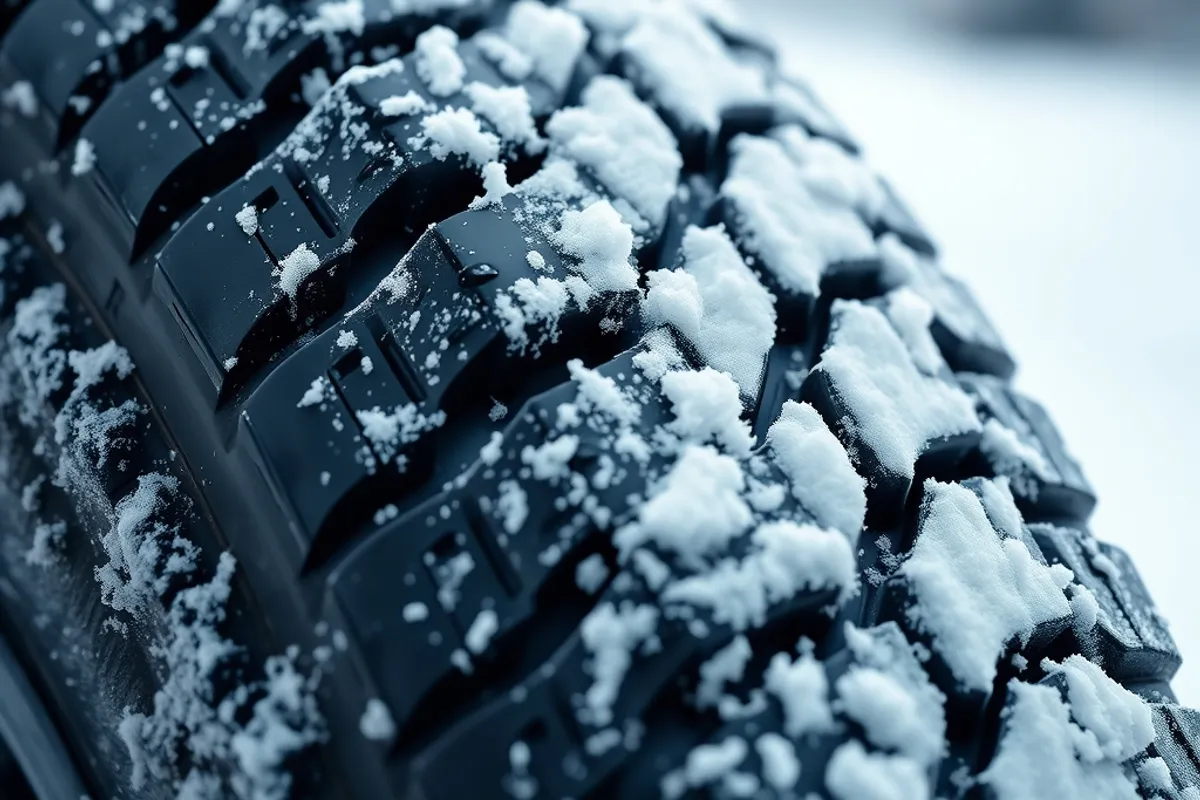
Winter tyres use a softer compound and more sipes — the small cuts in the tread blocks that open and bite. The trade is wear: run them through a hot summer and you can lose a season of tread in a few thousand kilometres. The rule exists because the compound, not the calendar, is what matters.
Braking on snow and ice: the measured gap
On packed snow, independent tests consistently show a dedicated winter tyre stopping a car 30 to 40% shorter than an all-season from 50 km/h. On ice the gap widens, and studs or a specialist friction tyre widen it further. These are not marginal differences; they are the distance between stopping and not stopping.
On cleared, cold, wet roads the gap shrinks to a few metres. That is why an all-season is a reasonable choice in a city with good snow clearing and few hills, and a poor choice on a rural road that stays white for weeks.
All-weather tyres: the middle path
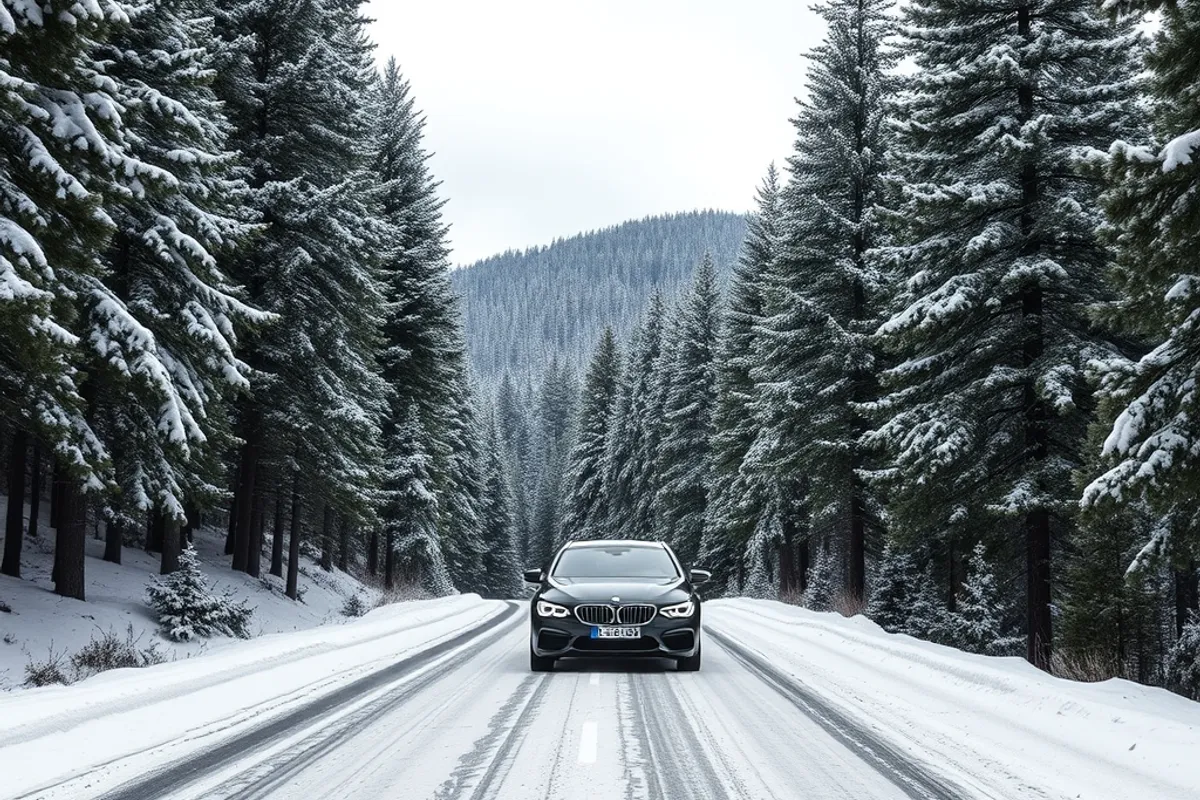
All-weather tyres carry the three-peak mountain snowflake symbol and are designed to work year-round, with a compound that stays flexible in cold and a tread that handles light snow. They are a genuine improvement over a standard all-season and are legal where winter tyres are mandated.
They are not a substitute for a true winter tyre on deep snow or ice. If your region gets weeks of packed snow, the dedicated tyre still wins. If you get a handful of snowy days and mostly cold rain, an all-weather is the pragmatic single-set answer.
Tread depth and the point of no return
Winter grip depends on tread depth far more than summer grip does. At 3 mm, a winter tyre has lost most of its ability to clear snow and bite through slush, even though it is still legal in many places. Replace before the legal minimum, not at it.
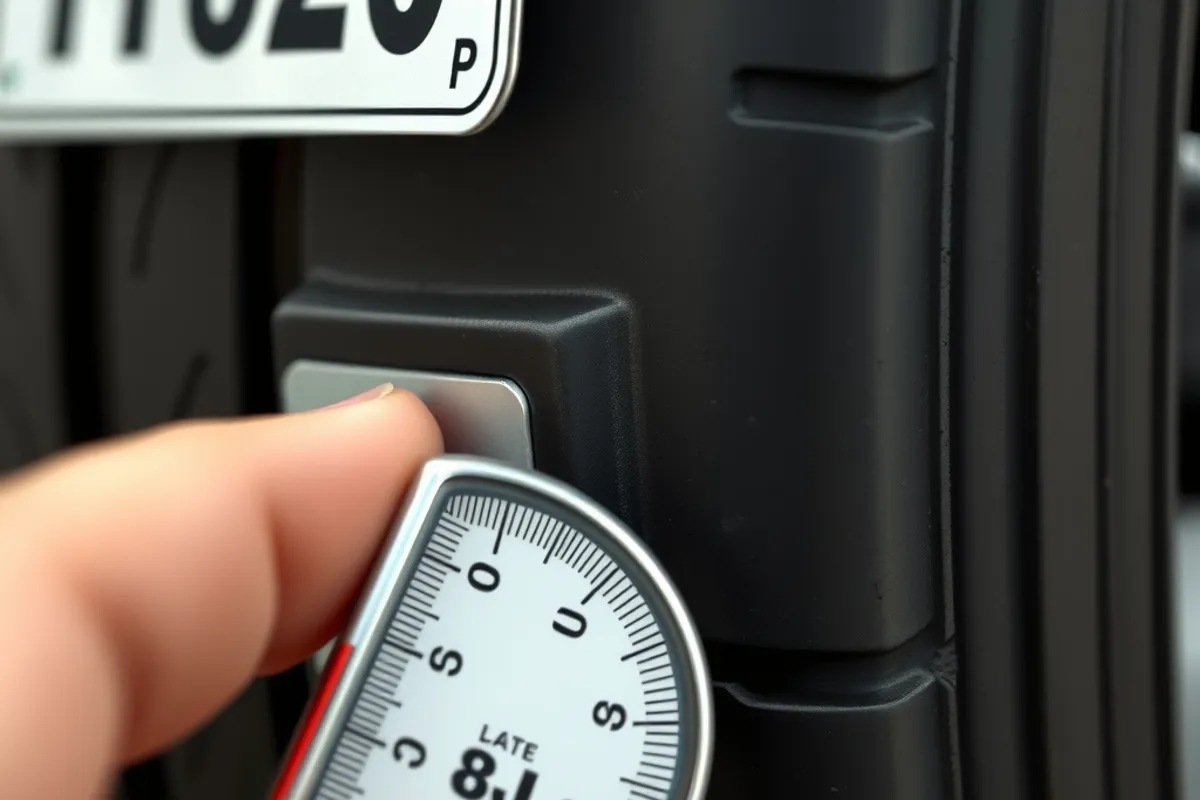
Check the wear indicators and measure across the tread, not just the outer edge. Uneven wear points to alignment or pressure problems, and a winter tyre with one bald shoulder is a liability. Rotate them at every oil change and keep pressures at the vehicle spec, not the tyre sidewall maximum.
Four patches of rubber, each the size of a hand, are the only thing between your car and the road. Buy for the temperature, not the calendar.
Storage, ageing and the second-hand market
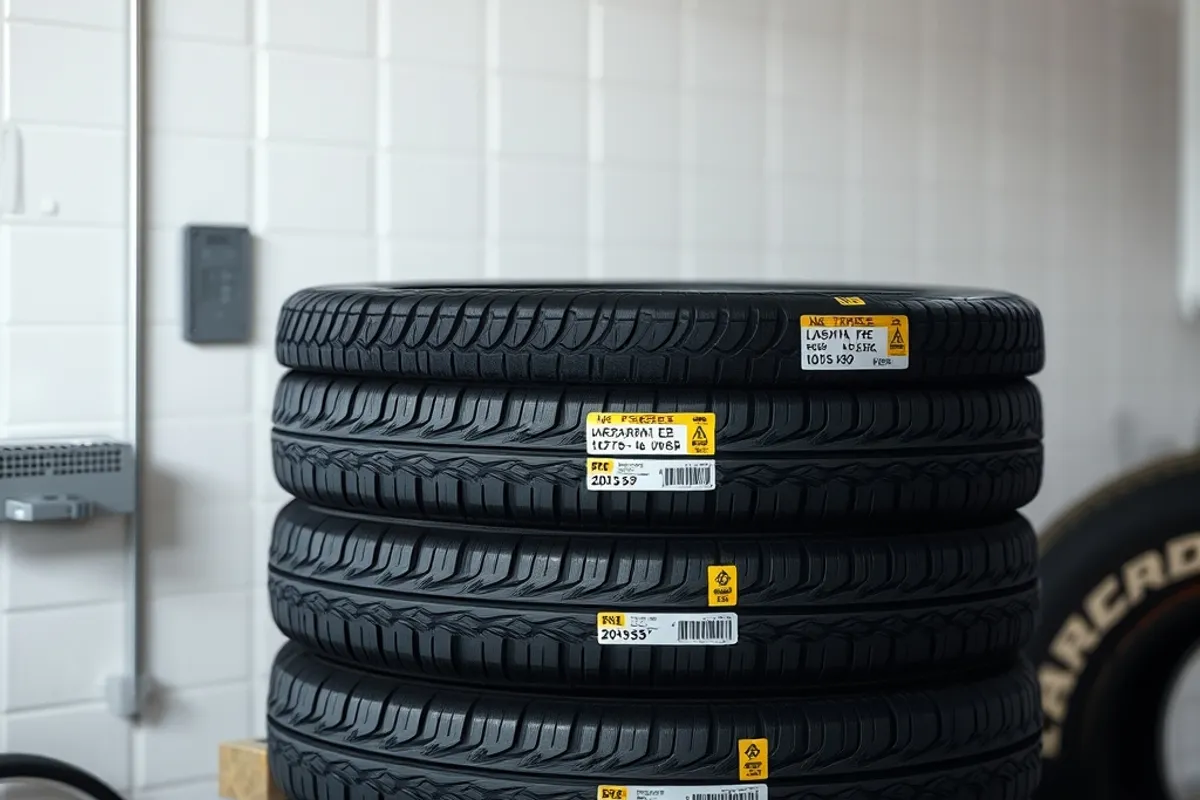
Store wheels in a cool, dry, dark place, stacked or hanging, away from ozone sources and solvents. Heat and sunlight age rubber faster than mileage. A six-year-old tyre with 7 mm tread can still be past its useful life; check the DOT date code on the sidewall.
Buying used winter tyres is a gamble. You cannot see how they were stored or whether they were run at the wrong pressure. If the price is less than half of new and the date code is within three years, it can work. Otherwise, the saving is not worth the risk.
Cost, convenience and the honest trade
A second set of wheels and tyres costs money upfront, but it saves the summer set from winter wear and the winter set from summer heat. Over six years, the total tyre bill is often similar; the difference is that you always have the right tyre for the season.
If you have nowhere to store a second set, an all-weather tyre is the sensible compromise. If you face real winter, a dedicated set on cheap steel wheels is the best safety purchase you can make for the money. It is not about being a tyre enthusiast. It is about the four contact patches that decide everything.
Official source: nhtsa.gov.