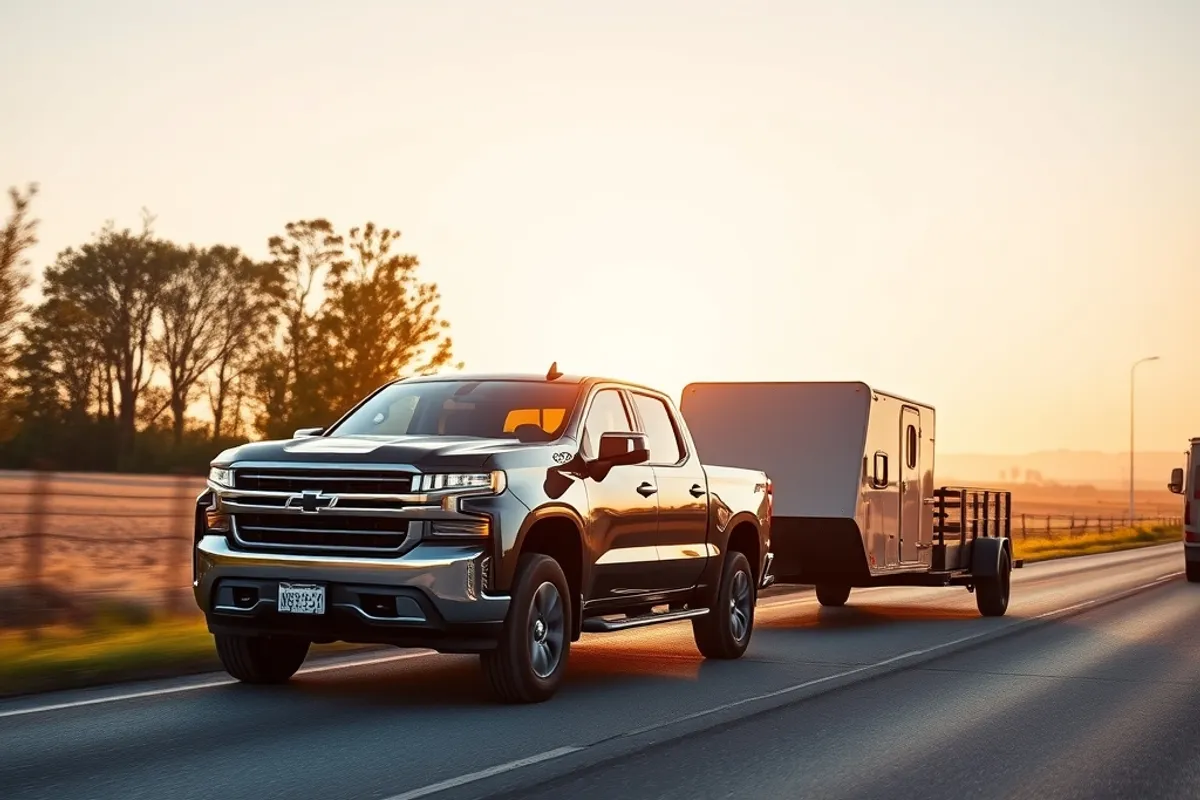
Half-ton pickups now advertise tow ratings that would have been one-ton territory ten years ago. The ratings are legal and tested, but they are also narrow: a specific cab, bed, axle ratio, tyre and hitch combination, often with one skinny driver and no cargo.
We borrowed five 2026 full-size trucks, hooked them to the same 4,500 kg trailer and drove 600 km of highway, mountain grade and wet two-lane. These are the numbers that survived contact with a real load.
Key facts
- Tongue weight was set at 10% (450 kg) for every truck, verified on a scale.
- Measured towing economy ranged from 20.4 to 26.1 L/100 km on the same route.
- Engine braking varied from excellent to barely present; two trucks needed manual gear selection downhill.
- Diesel returned 18% better economy towing but costs more to buy and service.
- All five needed a weight-distributing hitch to feel settled in crosswinds at 100 km/h.
The test route and the load
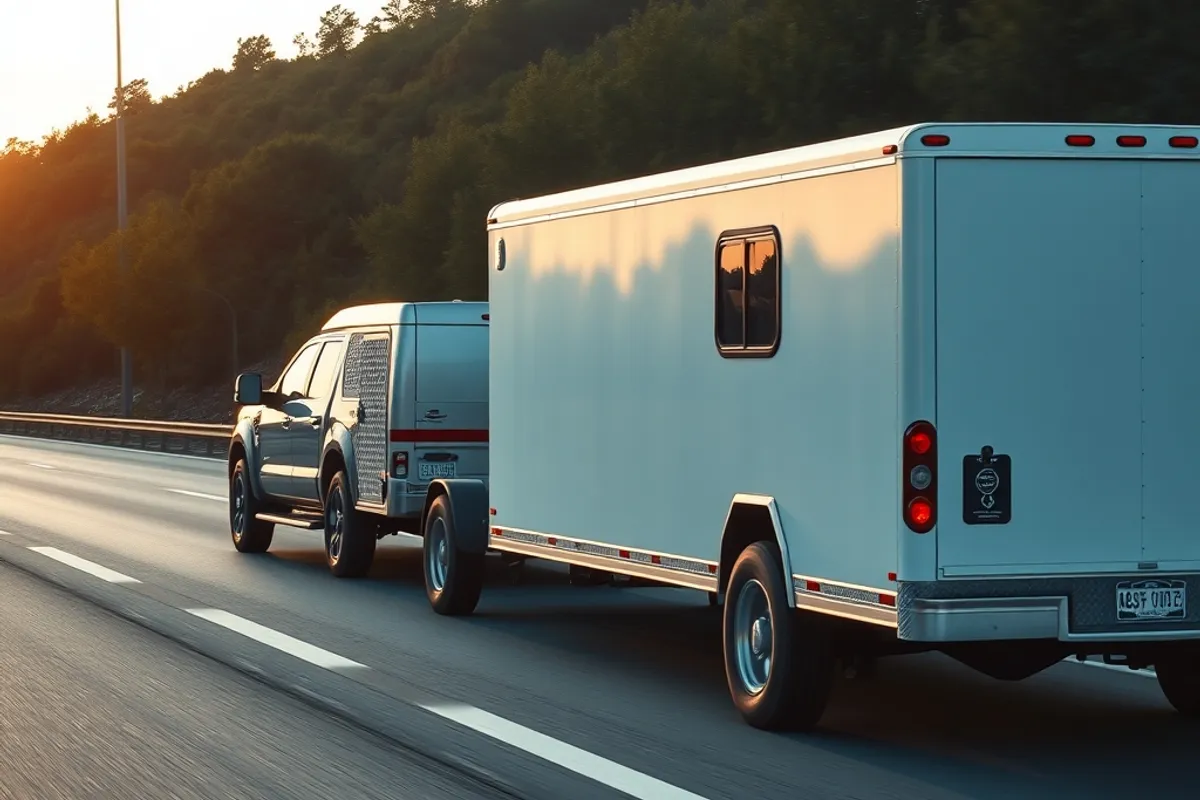
The trailer was a 6.5 m enclosed car hauler loaded to 4,500 kg, with a 450 kg tongue weight confirmed on a public scale. We ran 340 km of motorway, 120 km of mountain pass with a 6% grade, and 140 km of wet two-lane with crosswinds. Two drivers alternated, and every truck ran the same tyre pressures for load.
We measured fuel at the pump and recorded coolant, transmission and oil temperatures on the climb. We also timed a 60 to 100 km/h overtake loaded, which is the manoeuvre that tells you more about real-world confidence than any 0 to 100 figure.
Stability in wind and on broken pavement
All five were stable when set up correctly. The differences showed up in the wet two-lane, where crosswinds pushed the trailer and the truck had to correct without overcorrecting. The longest wheelbase and the heaviest rear axle handled it best; the shortest cab-and-bed combination was busier, though never frightening.
Tyres mattered as much as suspension. The trucks on dedicated highway tyres with a stiff sidewall felt more planted than the ones on aggressive all-terrains. If you tow heavy regularly, choose the tyre for the load, not the look.
Braking and engine braking downhill
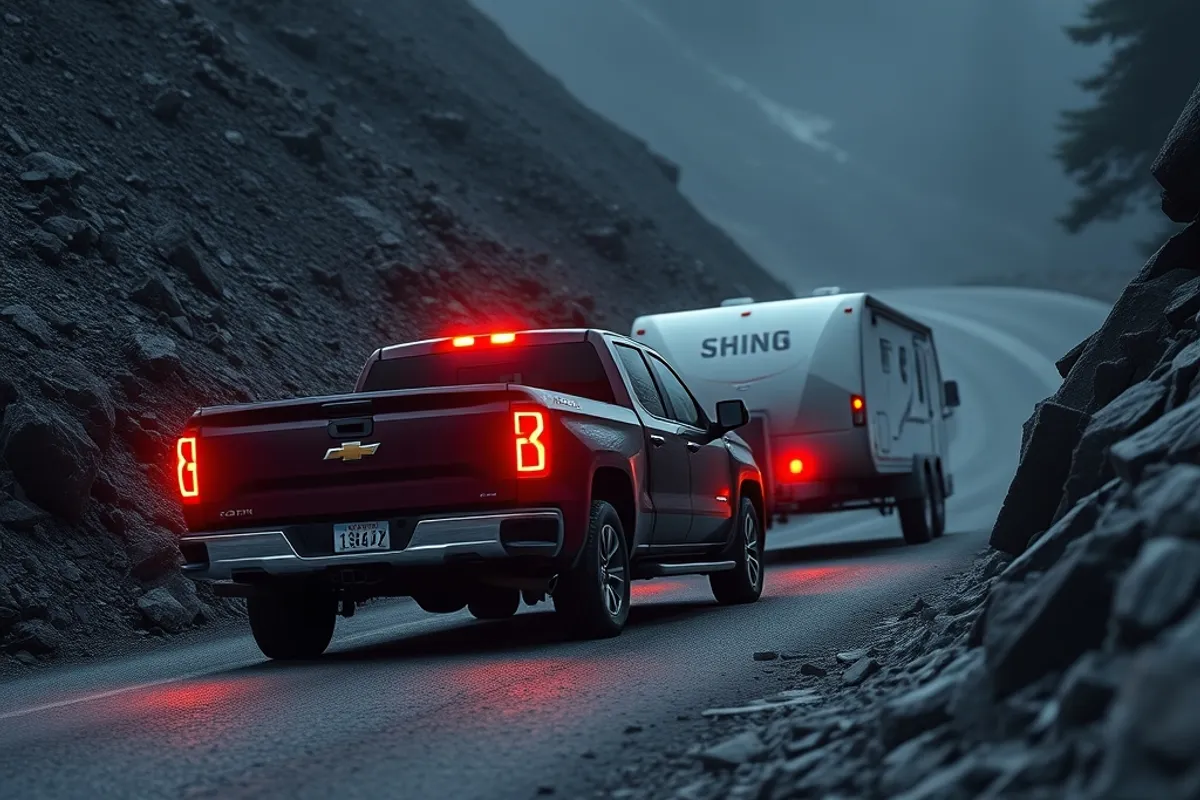
The 6% descent separated the field. Three trucks held speed with engine braking and occasional brake applications. Two needed manual gear selection and still picked up speed, which is a warning sign for anyone towing in mountains. Trailer brakes were working correctly on all five; the difference was the tow vehicle's ability to help.
Brake feel under load was good across the board, but pedal travel grew noticeably on the two heaviest trailers. That is normal heat-related fade, not a defect, and it is the reason you leave a bigger gap than feels necessary.
Fuel economy: diesel versus petrol
Loaded economy ranged from 20.4 to 26.1 L/100 km. The diesel trucks occupied the good end, returning about 18% better than the best petrol V8. At 15,000 km a year with half of it towing, that is a meaningful annual saving, though not enough to repay the diesel premium in two years.
Petrol V8s were smoother and quieter, and cheaper to service. Turbocharged six-cylinders split the difference. If you tow 8,000 km a year, diesel earns its keep. If you tow twice a month, the maths is closer than the forums suggest.
The tow rating gets you into the conversation. The hitch setup, the tyres and the driver get you home.
Cab comfort on a long day
Six hours in the seat matters more than a spec sheet admits. The two trucks with multi-way adjustable seats and good lumbar support left us fresh; the one with a flat cushion and a high floor left us stiff. Rear-seat space was generous in all crew cabs, but the transmission tunnel still ruins the middle seat in two of them.
Noise was dominated by tyres and the trailer, not the engine. The quietest cab was not the most expensive trim. If you spend long days towing, spend the money on seats and sound insulation before you spend it on appearance packages.
The options that earn their price
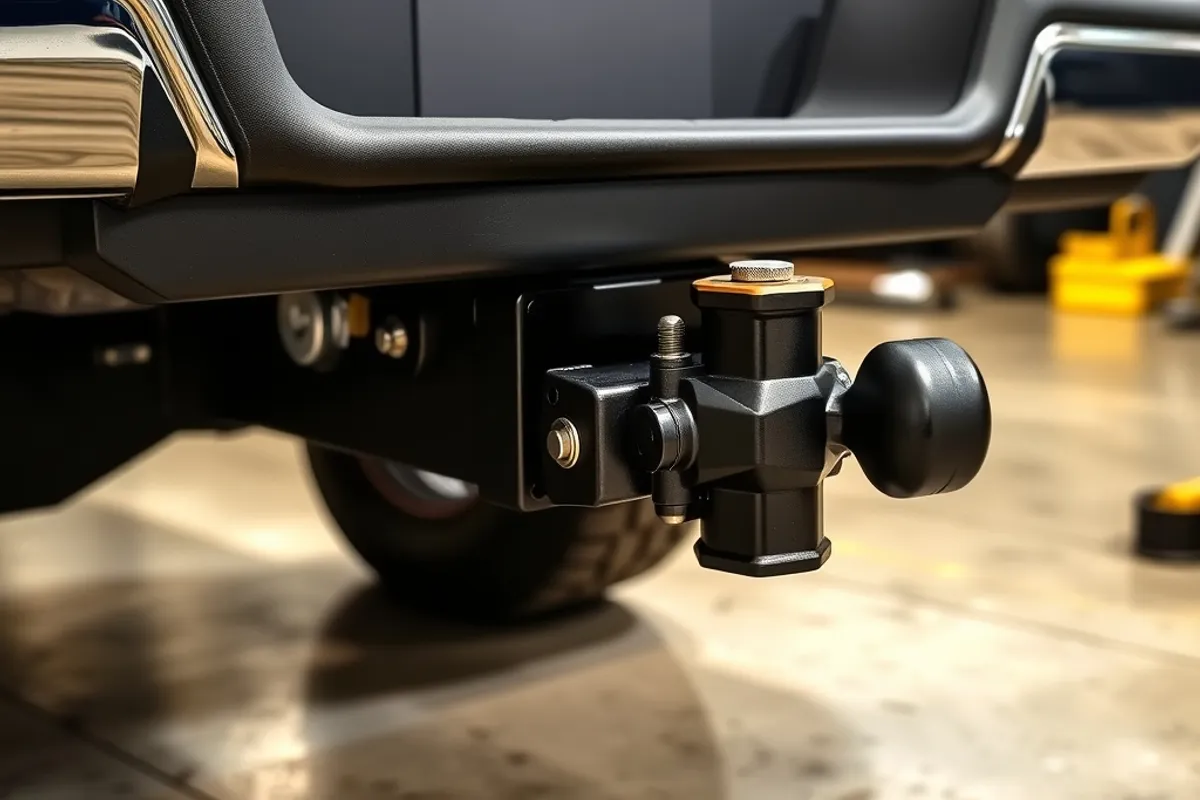
A factory trailer brake controller, a proper hitch receiver, trailer tow mirrors and a locking rear differential are the four options that change how the truck works. Everything else is comfort or cosmetics. Two trucks had the controller bundled in a package; one had it as a standalone option that cost less than the package.
Skip the 22-inch wheels if you tow. They reduce sidewall, worsen ride and cost more to replace. A 18-inch wheel with a load-rated tyre is the better towing choice, even if it looks less dramatic in the showroom.
What we would buy
For a truck that tows 4,500 kg regularly, we would take the longest wheelbase, the diesel, the factory tow package and the highway tyres. It was not the fastest or the most dramatic, but it was the one that made a long day feel short.
For occasional towing, the petrol V8 with the same tow hardware is the better financial decision. The trailer does not care what badge is on the grille. It cares about tongue weight, tyre pressure, brake setup and a driver who is not in a hurry.
Official source: fhwa.dot.gov.