Hypermiling has a reputation problem. The word summons images of drivers coasting at 40 km/h on a motorway or drafting behind trucks at a distance that would make a safety engineer weep. The useful parts are much duller, and they work.
We tested a handful of techniques over 2,000 km in a 2026 compact petrol car and a hybrid, measuring at the pump. These are the changes that paid, the ones that did not, and the ones you should not try.
Key facts
- Smooth acceleration and early lifting can cut fuel use 10 to 20% in city traffic.
- Tyre pressure 0.3 bar low can cost around 2% in fuel and wear the edges faster.
- Roof boxes add 10 to 25% drag at motorway speed; remove them when unused.
- Coasting in neutral saves nothing in a modern fuel-injected car and reduces control.
- Drafting a truck closely is dangerous, illegal in many places and not worth the risk.
The physics, in one paragraph
Fuel turns into motion, heat and noise. At low speed, most losses are in the engine and drivetrain; at high speed, aerodynamic drag rises with the square of velocity. That is why a 10 km/h reduction on the motorway saves more than a dozen clever tricks around town.
Hypermiling, done well, is mostly about avoiding waste: unnecessary braking, idling, cold starts and drag. Done badly, it is about compromising safety to chase a number. We are only interested in the first kind.
Technique one: look further ahead
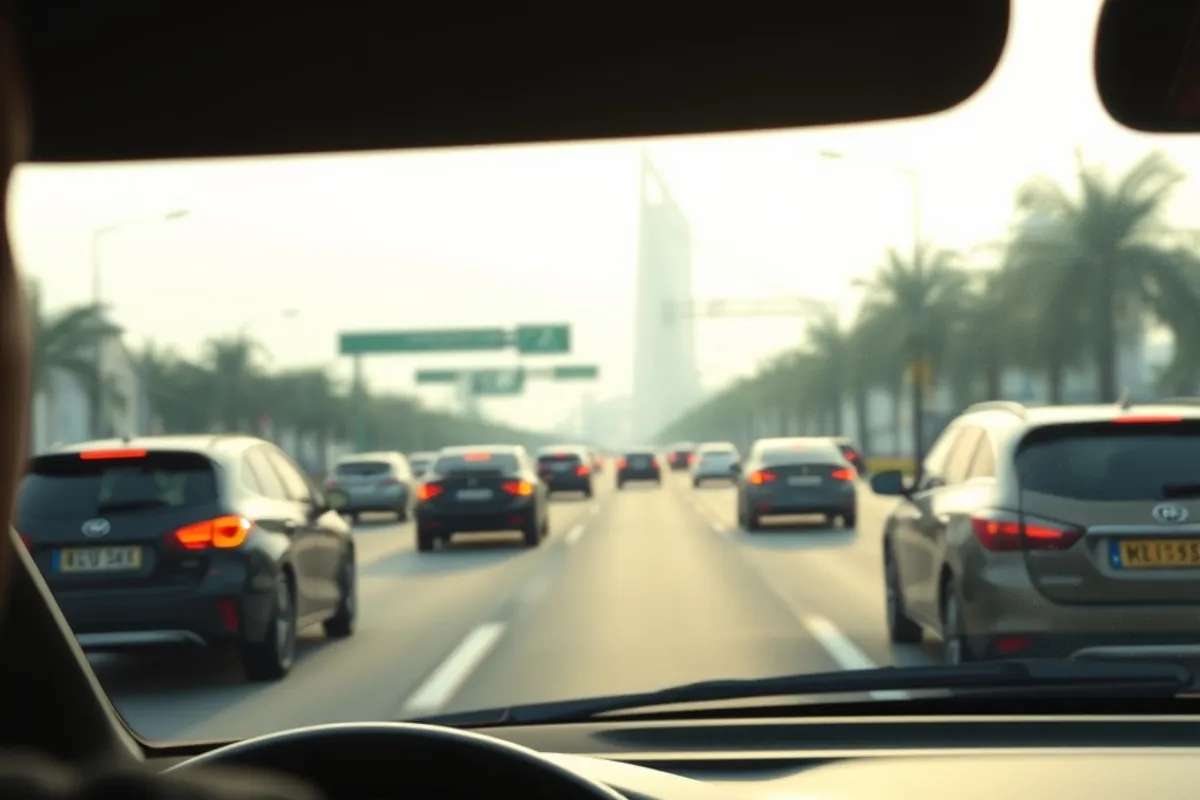
The single biggest saving came from lifting off earlier and braking less. By watching two or three cars ahead and timing arrivals at red lights, we cut a measurable amount of fuel in city driving and arrived no later. The car does not care whether you brake smoothly or harshly; it cares how much energy you threw away.
Keep a steady gap, anticipate junctions, and let the car slow naturally when you can. On a hybrid, this also feeds more energy back into the battery. On a petrol car, it simply means less fuel burned to rebuild speed you did not need to lose.
Technique two: accelerate with purpose, then settle
Accelerating gently to 50 km/h can use more fuel than accelerating briskly to the same speed and then holding it, because the engine spends longer in an inefficient low-load state. The gain is real but modest, and it depends on the car. The bigger win is settling at a steady speed once you are there.
Use cruise control on flat motorway runs, but switch it off in hills; it will chase the set speed and burn fuel doing it. In a hybrid or EV, use the eco mode if it smooths the throttle rather than simply dulling it.
Technique three: cut the drag and the weight
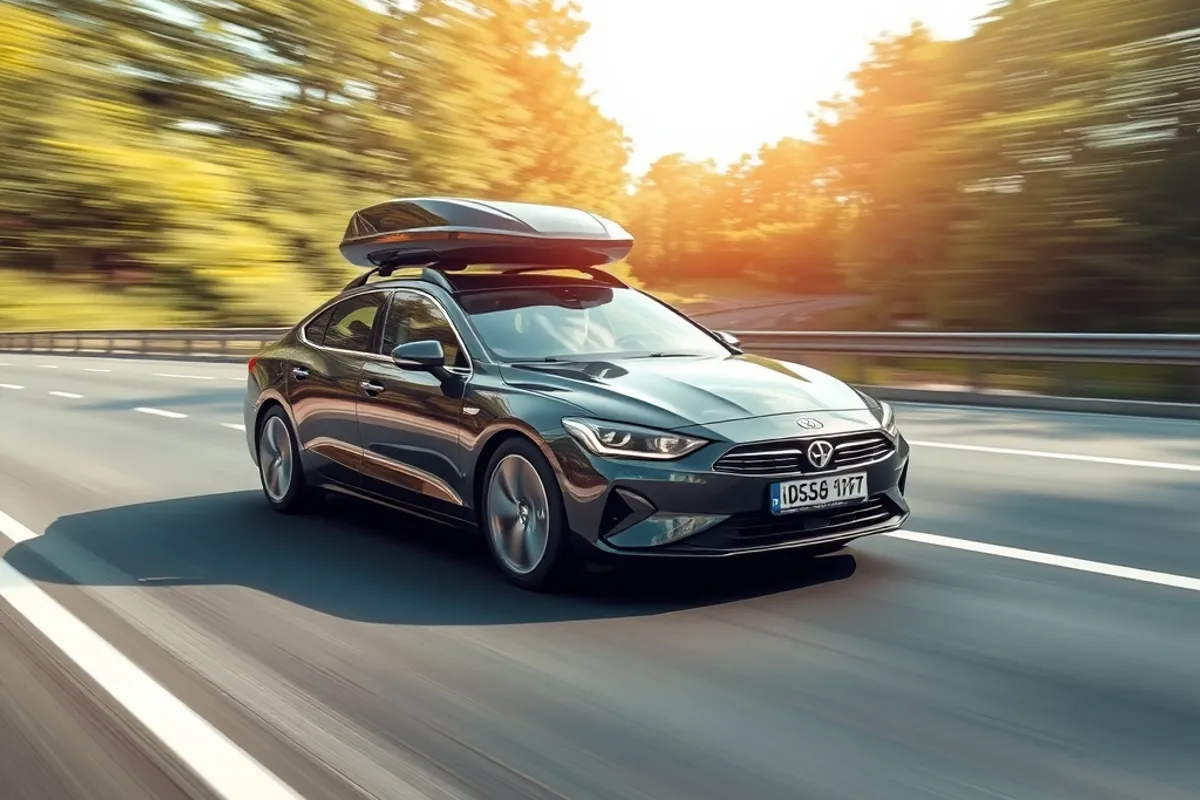
Remove the roof box, the bike rack and the rear-mounted carrier when they are not in use. A roof box can add 10 to 25% drag at motorway speed. Empty the boot of the tools, the sandbags and the charity-shop donations that have been there since spring. Every 50 kg costs a little fuel in town.
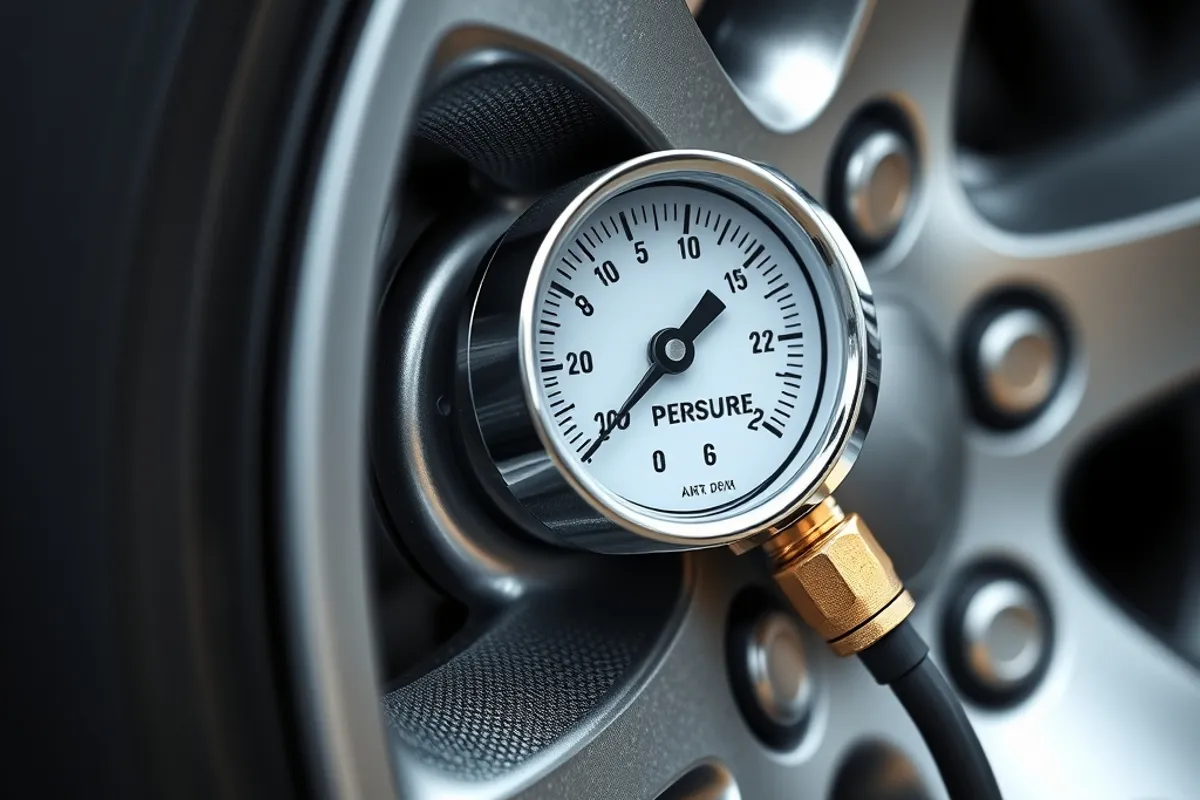
Check tyre pressures cold and set them to the vehicle placard, not the tyre sidewall maximum. Under-inflation increases rolling resistance and wears the shoulders. Do not overinflate to chase a number; it reduces grip and wears the centre of the tread.
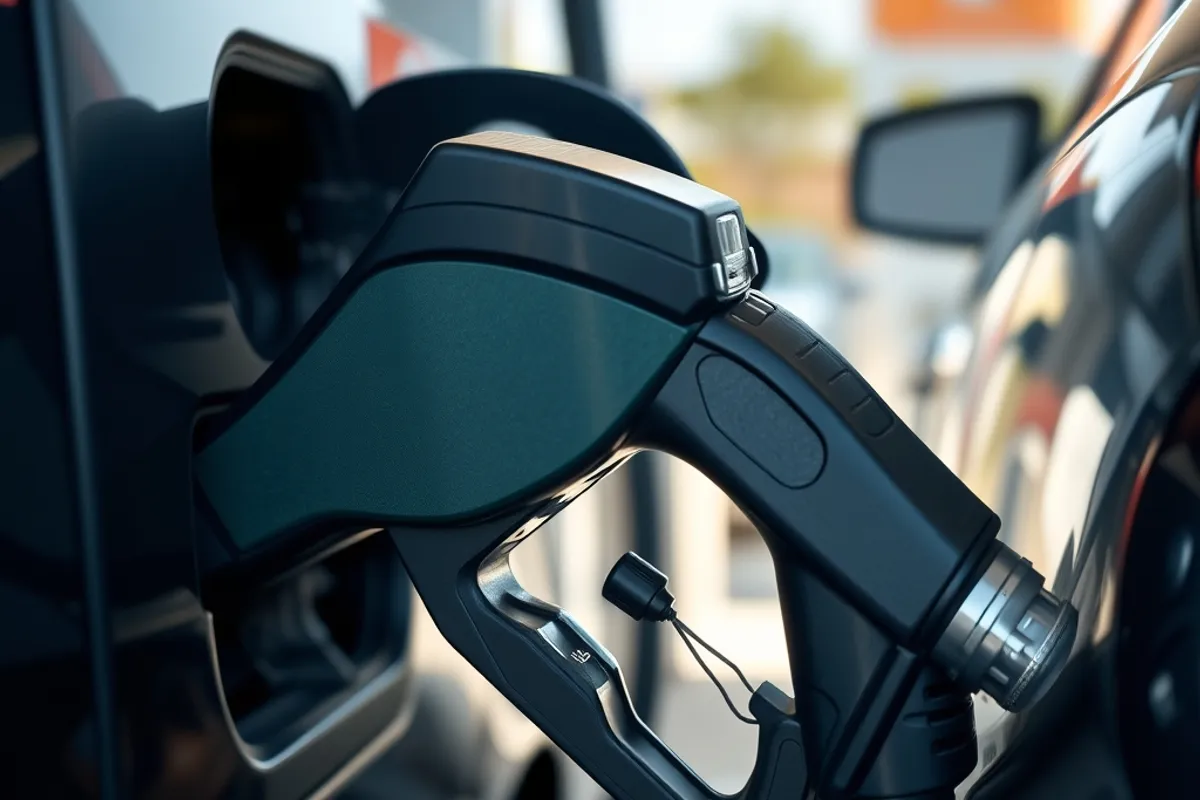
The cheapest fuel is the fuel you do not burn. The safest way to save it is to look further ahead and hurry less.
What did not work
Coasting in neutral saved nothing measurable in a modern fuel-injected car and removed engine braking and the ability to accelerate out of trouble. Turning the engine off at long lights helped a little, but only at lights longer than about 60 seconds; modern stop-start systems already do it better.
Driving at 80 km/h on a motorway saved fuel but created a rolling hazard and a queue. Never trade safety or courtesy for a fraction of a litre. The savings from a slower motorway run are real, but so is the risk of being the slowest, least predictable object in the lane.
The techniques you should not copy
Drafting close behind a truck reduces drag dramatically and is one of the most dangerous things you can do on a motorway. It removes your stopping distance, hides the road ahead and puts you in the truck driver's blind spot. It is also illegal in many jurisdictions.
Rolling through stop signs, over-inflating tyres, and engine-off coasting down hills all trade safety for a number. The fuel saved is a few percent. The downside is measured in repair bills and hospital time.
How to measure your own results
Measure at the pump, not on the trip computer. Fill to the same point, record the odometer, drive normally, and fill again. Do it over at least three tanks before drawing conclusions. Tyre pressure, temperature, traffic and air conditioning all move the number.
A realistic target for a careful driver is a 10 to 15% improvement in mixed driving, mostly from anticipation and speed discipline. That is a tank of fuel every couple of months, and it costs nothing but attention. The best hypermiling advice is also the oldest: slow down, look ahead, and stop wasting motion.
Official source: fueleconomy.gov.