
Eco-Friendly Car Brands Making Waves
The automotive world is experiencing a transformative shift, with Eco Friendly Brands at the forefront of this revolution. These innovators are redefining what it means to drive responsibly, combining sustainability with cutting-edge technology. Electric drivetrains, hybrid systems, and recyclable materials are no longer niche features; they are hallmarks of a new era in transportation. The commitment of these brands extends beyond mere fuel efficiency; it reflects a broader vision for a cleaner, greener planet.
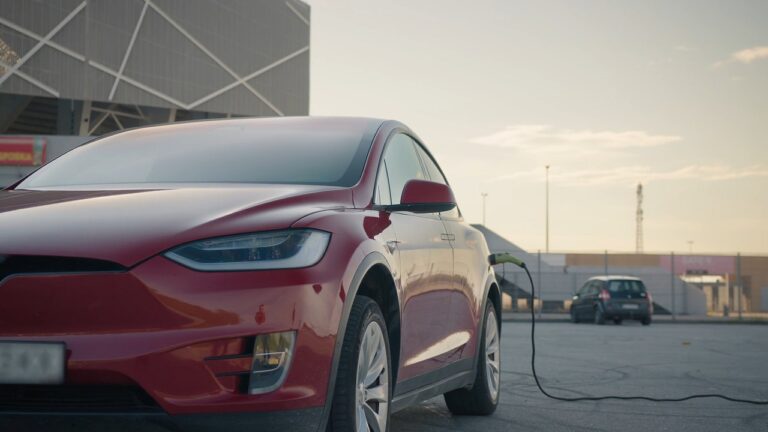
Among the pioneers, Tesla stands as an emblem of electric mobility. Its vehicles showcase rapid acceleration, long-range capabilities, and sophisticated autonomous features, proving that eco-conscious cars need not compromise on performance. Beyond speed, Tesla’s focus on battery innovation and charging infrastructure demonstrates a holistic approach to sustainability, one that reimagines how drivers interact with energy and mobility.
European Leadership in Sustainability
European manufacturers have long combined engineering excellence with environmental foresight. BMW’s i series exemplifies this philosophy, delivering both electric and hybrid options that retain the brand’s signature driving dynamics. Audi’s e-tron lineup similarly merges refinement with efficiency, offering models that cater to luxury enthusiasts without ignoring ecological responsibility. Even mainstream brands like Volvo have pledged ambitious targets for carbon neutrality, integrating renewable energy into production processes and emphasizing recycled materials in vehicle interiors.
Japanese automakers also play a significant role in the eco-friendly landscape. Toyota, a pioneer in hybrid technology, continues to refine its Prius line while expanding into hydrogen fuel-cell vehicles. Honda, with its Clarity series, demonstrates versatility, offering drivers multiple green propulsion options while maintaining reliability and everyday practicality. These brands highlight that eco-conscious vehicles can seamlessly integrate into varied lifestyles without sacrificing convenience or comfort.
American Innovations in Green Mobility
The United States has contributed to the surge of eco-friendly vehicles through both startups and established automakers. Rivian, for example, has garnered attention with its electric adventure vehicles, combining off-road capability with zero emissions. Ford’s transition toward electric trucks and SUVs, including the Mustang Mach-E and F-150 Lightning, illustrates the country’s commitment to sustainable mass-market options. These vehicles reflect a growing trend: environmental responsibility can coexist with bold design and versatile performance.
Sustainability in the automotive sector goes beyond emissions reduction. Eco friendly brands are investing in materials science, exploring bioplastics, vegan interiors, and lightweight composites that reduce environmental impact throughout the lifecycle of a car. Battery recycling and second-life applications are becoming integral, ensuring that energy storage does not become a future ecological burden. Such measures represent a shift from reactive environmentalism to proactive stewardship, where each vehicle contributes positively to the planet.
Driving the Future with Innovation
Autonomous technology and smart energy management systems complement the eco-friendly ethos. Regenerative braking, vehicle-to-grid integration, and adaptive energy consumption optimize efficiency on every journey. Cars are no longer isolated machines; they interact intelligently with infrastructure, climate conditions, and user behavior, maximizing environmental benefits without sacrificing performance. The integration of software and data analytics ensures that sustainability is continuously enhanced, evolving in real-time to meet both ecological and user demands.
Public perception is also transforming. Consumers are increasingly drawn to brands that demonstrate authentic environmental commitment. Marketing alone is insufficient; transparency in production, supply chain sustainability, and corporate responsibility are essential. Eco friendly brands that succeed are those that align technological innovation with ethical practice, cultivating loyalty among drivers who seek purpose alongside performance.
Global collaborations further amplify impact. Partnerships between automakers, governments, and energy providers create ecosystems that support widespread adoption of green vehicles. Charging networks, renewable energy incentives, and standardized battery technologies accelerate the transition from fossil fuels, ensuring that eco-friendly vehicles are accessible and practical for a broad spectrum of users.
Ultimately, eco-friendly car brands are reshaping the way we perceive mobility. They demonstrate that innovation, style, and environmental responsibility can coexist harmoniously. Every electric mile, every hybrid journey, and every recycled material incorporated into design signifies a commitment to a sustainable future. These brands are not merely adapting to changing times; they are driving the transformation, inspiring both the industry and the public to embrace a vision where transportation and ecology advance together.
The movement toward eco-conscious driving continues to gain momentum, proving that responsible mobility is not a compromise but a statement of values. By integrating advanced technologies, sustainable materials, and forward-thinking strategies, eco-friendly car brands are establishing a blueprint for the vehicles of tomorrow. Their influence is profound, and their trajectory promises a cleaner, smarter, and more exhilarating automotive landscape for generations to come.