
Car Brands That Lead in Safety Features
Safety is a paramount consideration for drivers and passengers alike, and certain vehicles set the benchmark for protection on the road. Safe Car Brands are recognized for their commitment to advanced safety systems, structural integrity, and proactive technologies that prevent accidents before they occur. These vehicles combine meticulous engineering, innovative electronics, and intuitive design to ensure that occupants remain secure in a wide variety of driving conditions. Choosing a car from these brands means investing in peace of mind, reliability, and cutting-edge protection.
Japanese automakers have long been celebrated for their focus on reliability and safety. Toyota and Honda consistently lead industry rankings for crashworthiness and driver-assistance technologies. Toyota’s Safety Sense suite incorporates pre-collision systems, adaptive cruise control, lane departure alerts, and pedestrian detection, providing a comprehensive safety network for drivers. Honda’s Sensing system delivers similar functionality, using radar and camera-based sensors to anticipate hazards and assist in emergency braking, lane-keeping, and collision mitigation. Lexus, Toyota’s luxury division, extends these systems with advanced airbag configurations and high-strength body structures to maximize occupant protection.
German Precision in Safety Engineering
German car brands combine precision engineering with advanced electronic safety systems. Mercedes-Benz, BMW, and Audi integrate features designed to protect occupants while enhancing overall driving confidence. Mercedes-Benz’s PRE-SAFE system can tighten seatbelts, adjust seating positions, and close windows in anticipation of a collision. BMW’s Active Driving Assistant includes lane-change warning, blind-spot detection, and forward collision warning, making it easier for drivers to navigate complex traffic scenarios. Audi employs sophisticated driver-assistance systems such as adaptive cruise assist, predictive efficiency assist, and traffic-jam assist to reduce the likelihood of accidents. German brands emphasize not only crash protection but also proactive measures to prevent incidents from occurring.
Sweden is renowned for its automotive safety leadership, particularly through Volvo. Volvo consistently pioneers safety innovations, including side-impact protection systems, pedestrian and cyclist detection, and city safety collision avoidance. Features such as Run-off Road Protection and IntelliSafe technologies exemplify Volvo’s philosophy: preventing accidents is as important as surviving them. These vehicles are designed with high-strength steel cages, multiple airbags, and restraint systems that provide maximum protection in diverse crash scenarios. Volvo demonstrates that safety can be both innovative and comprehensive.
American Innovations in Safety
American car brands have made significant strides in incorporating advanced safety features into mainstream vehicles. Ford and Chevrolet utilize a combination of structural integrity, sensor-driven assistance systems, and intuitive driver alerts to enhance protection. Ford’s Co-Pilot360 suite includes blind-spot monitoring, rear cross-traffic alert, automatic emergency braking, and lane-keeping assist. Chevrolet integrates similar technologies, along with adaptive cruise control and collision alert systems, to help drivers avoid accidents and maintain situational awareness. Cadillac elevates safety further through its Super Cruise system, offering hands-free driving on compatible highways while maintaining a vigilant eye on traffic conditions.
Modern safe car brands integrate technology beyond basic crash prevention. Infotainment systems, heads-up displays, and vehicle-to-vehicle communication provide real-time alerts and guidance to enhance situational awareness. Sensors monitor tire pressure, braking efficiency, and lane positioning, while adaptive lighting systems improve visibility in low-light conditions. These innovations collectively reduce driver stress and improve response times, ensuring that safety is embedded at every stage of the driving experience.
Family-Friendly Design and Protection
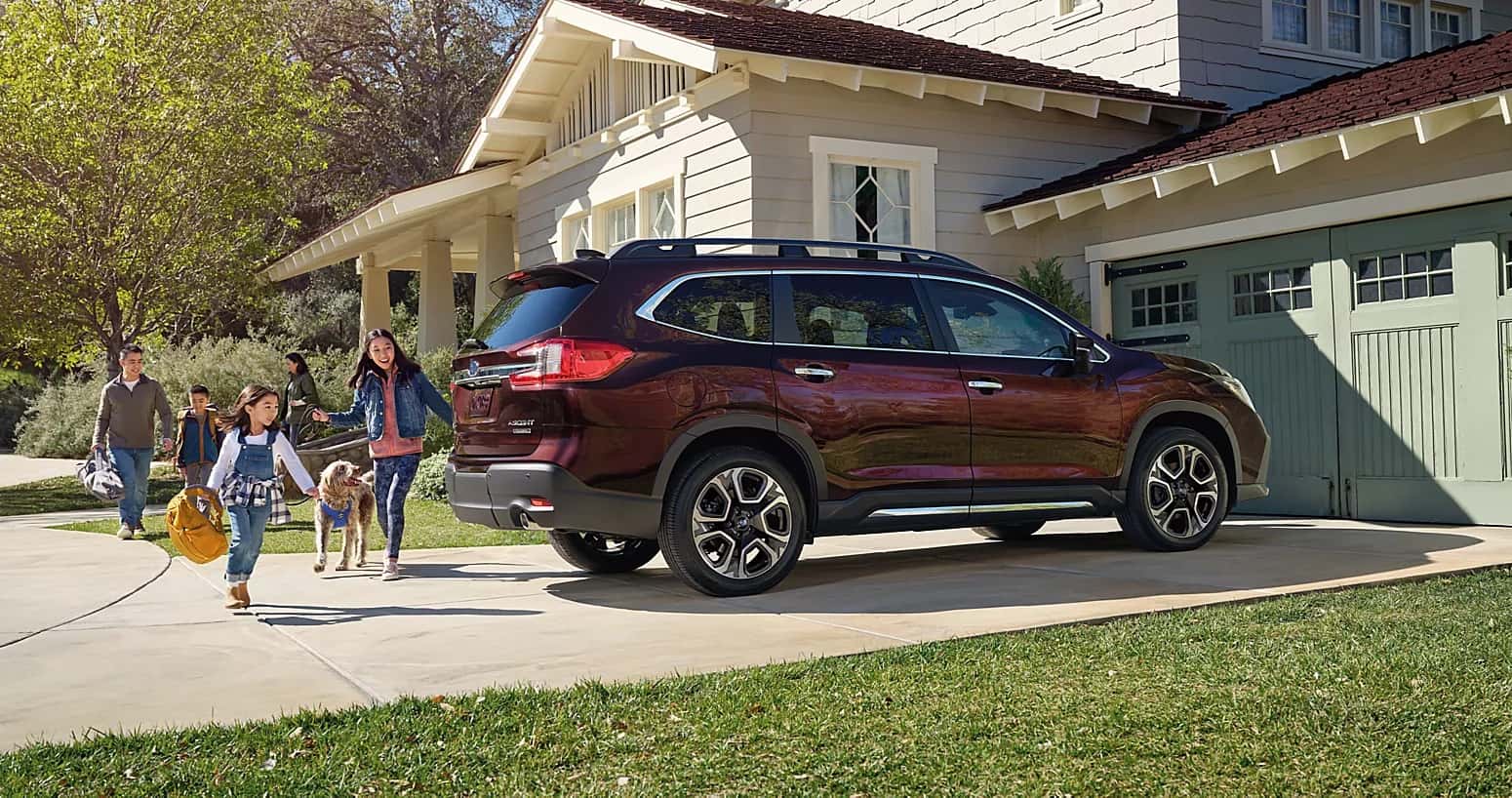
Safety-focused vehicles often cater to families, with attention to interior design, restraint systems, and crash-tested seating. Rear-seat reminders, ISOFIX anchor points, and multi-stage airbags are standard in many safe car brands, providing protection for passengers of all ages. Vehicles are rigorously tested in simulated crashes, rollover scenarios, and side-impact collisions to ensure structural integrity. Materials, frame construction, and crumple zones are meticulously engineered to absorb impact energy and protect occupants. This focus on family-oriented safety enhances trust and reliability, making these brands ideal choices for parents and safety-conscious drivers.
Global recognition of safe car brands stems from consistent performance in safety evaluations, industry awards, and consumer satisfaction surveys. Brands such as Toyota, Honda, Volvo, Mercedes-Benz, and BMW are frequently cited for their innovative safety measures, reliability, and proactive accident prevention systems. They set benchmarks for the automotive industry, inspiring competitors to adopt similar technologies and advancing overall road safety.
Ultimately, safe car brands prioritize both prevention and protection. Their vehicles provide reassurance through robust construction, sophisticated electronics, and forward-thinking design, ensuring that drivers and passengers feel secure in every journey. From Japanese reliability to German precision, Swedish innovation, and American ingenuity, these brands demonstrate that safety is a hallmark of thoughtful automotive engineering.
Investing in a vehicle from a safe car brand ensures not only protection but also confidence and peace of mind. Advanced systems, durable construction, and continuous innovation combine to create vehicles that excel in safety and redefine expectations for occupant security. Every feature, sensor, and structural enhancement contributes to a driving experience where safety is never an afterthought but a defining attribute of the vehicle.