
Car Brands Revolutionizing the Auto Market
Innovation is reshaping the automotive industry at a pace never seen before. Revolutionary Car Brands are leading this transformation, introducing vehicles that redefine efficiency, connectivity, and driving experience. These brands merge cutting-edge technology with sustainable practices, creating cars that challenge traditional conventions. From electric propulsion to autonomous driving and digital integration, these companies are setting the standard for what modern automobiles can achieve, inspiring both enthusiasts and everyday drivers.
Tesla is perhaps the most widely recognized revolutionary car brand. Its electric vehicles, including the Model S, Model X, Model 3, and Model Y, combine performance, sustainability, and advanced technology. Over-the-air software updates continually enhance functionality, while the Autopilot system introduces semi-autonomous driving capabilities. Tesla has shown the industry that electric vehicles can be desirable, fast, and efficient, while also paving the way for a more sustainable future. Their approach has forced traditional manufacturers to rethink design, powertrain, and connectivity strategies.
European Visionaries in Automotive Innovation
European manufacturers continue to influence the automotive landscape with forward-thinking technologies and design philosophies. BMW, Audi, and Mercedes-Benz have integrated hybrid systems, intelligent driver-assistance, and connected car technology into mainstream production vehicles. BMW’s i series focuses on electric mobility with precision engineering, Audi’s e-tron line combines performance with battery efficiency, and Mercedes-Benz introduces MBUX, a sophisticated infotainment system that interprets driver commands and learns user preferences. These innovations highlight how traditional brands can remain competitive by embracing change and sustainability.
Italy contributes to the revolution with a focus on both performance and technology. Ferrari and Lamborghini have begun exploring hybrid systems and electric prototypes while retaining their signature speed and style. Maserati is also adopting electrification strategies that enhance performance while reducing emissions. These Italian marques illustrate that innovation does not necessitate a compromise in design or driving pleasure, proving that sustainable and thrilling vehicles can coexist.
Asian Brands Leading in Reliability and Tech Integration
Japanese and Korean automakers are playing a vital role in transforming the auto market. Toyota has long been a pioneer with hybrid technology, combining efficiency with dependability. Lexus applies advanced safety features and luxury hybrid systems to offer comfort and innovation simultaneously. Hyundai and Kia are revolutionizing affordability in electric mobility, providing long-range EVs, rapid charging capabilities, and intuitive infotainment. These brands demonstrate that revolutionary automotive technology is accessible across price points, encouraging broader adoption and accelerating global change.
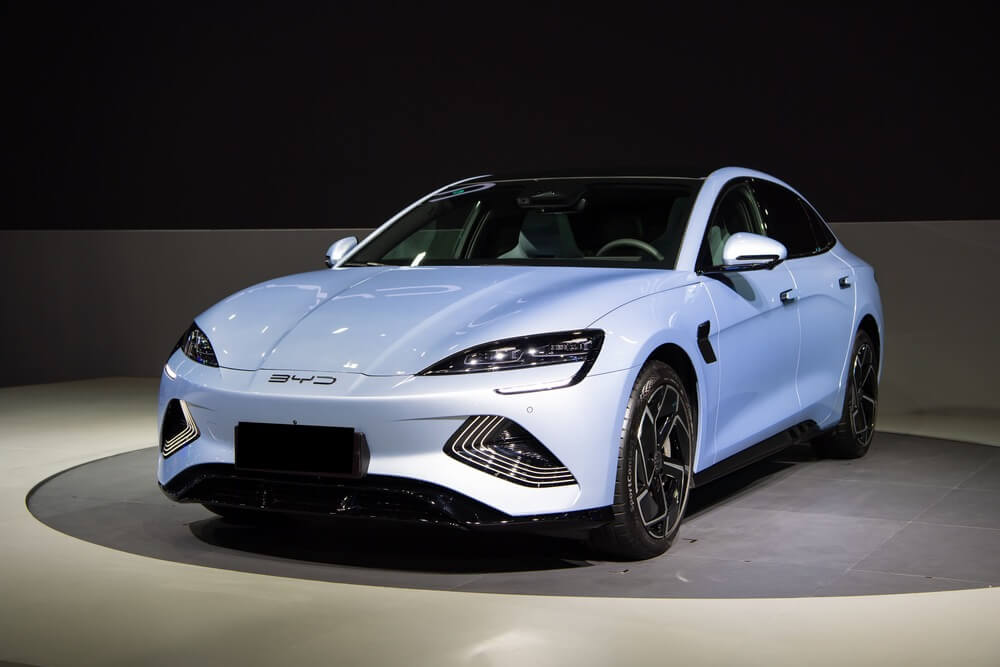
China is also emerging as a powerhouse in revolutionary car manufacturing. Brands like NIO, XPeng, and BYD are integrating autonomous driving features, connected platforms, and advanced electric powertrains. NIO’s battery-swapping system and innovative user-centric approach exemplify how technology can redefine vehicle ownership, while XPeng focuses on intelligent driver-assistance and AI integration. BYD emphasizes scalable electric mobility solutions with high efficiency and robust range, illustrating that revolutionary innovation can occur on a mass-market scale.
Sustainability as a Driving Force
Revolutionary car brands are uniting performance with sustainability. Electric and hybrid powertrains reduce emissions while delivering comparable or superior acceleration to traditional internal combustion engines. Lightweight materials, regenerative braking, and intelligent energy management systems enhance efficiency without compromising durability or safety. The push for renewable energy integration and eco-conscious design underlines how these brands are shaping the future, prioritizing environmental responsibility alongside driver experience.
Advanced technology also extends to connectivity and automation. Vehicles now feature over-the-air updates, adaptive cruise control, lane-keeping systems, and AI-enhanced navigation that collectively improve safety, efficiency, and convenience. Heads-up displays, real-time traffic predictions, and seamless smartphone integration enhance driver awareness and engagement. Revolutionary car brands merge these digital tools with traditional driving pleasure, creating vehicles that feel intuitive, responsive, and futuristic.
Global Impact and Industry Transformation
The influence of revolutionary car brands is evident in the entire automotive sector. Traditional manufacturers are rapidly adopting electrification, autonomous driving, and connectivity technologies in response to market pressure. This competition drives innovation, leading to better vehicles, more sustainable options, and an improved user experience. Consumers are now able to access technology that was previously limited to niche markets, and the overall landscape of automotive ownership is evolving.
Ultimately, revolutionary car brands are defined by their ability to challenge conventions. They merge technology, design, and sustainability into cohesive, desirable vehicles that redefine what a car can be. By pioneering electric mobility, autonomous systems, and connected platforms, these brands are not just adapting to the future—they are actively shaping it. Drivers now have the opportunity to engage with vehicles that are faster, smarter, cleaner, and more intuitive, creating a driving experience that is as transformative as it is enjoyable.
From Tesla’s groundbreaking electric models to BMW, Audi, and Mercedes-Benz innovations, along with emerging Asian and Chinese brands, the auto market is undergoing a rapid metamorphosis. Revolutionary car brands ensure that the next generation of vehicles will be more efficient, connected, and sustainable, setting a benchmark for performance and environmental responsibility alike. The revolution is not merely on the horizon; it is accelerating along the roads of today, promising an exciting future for drivers worldwide.