
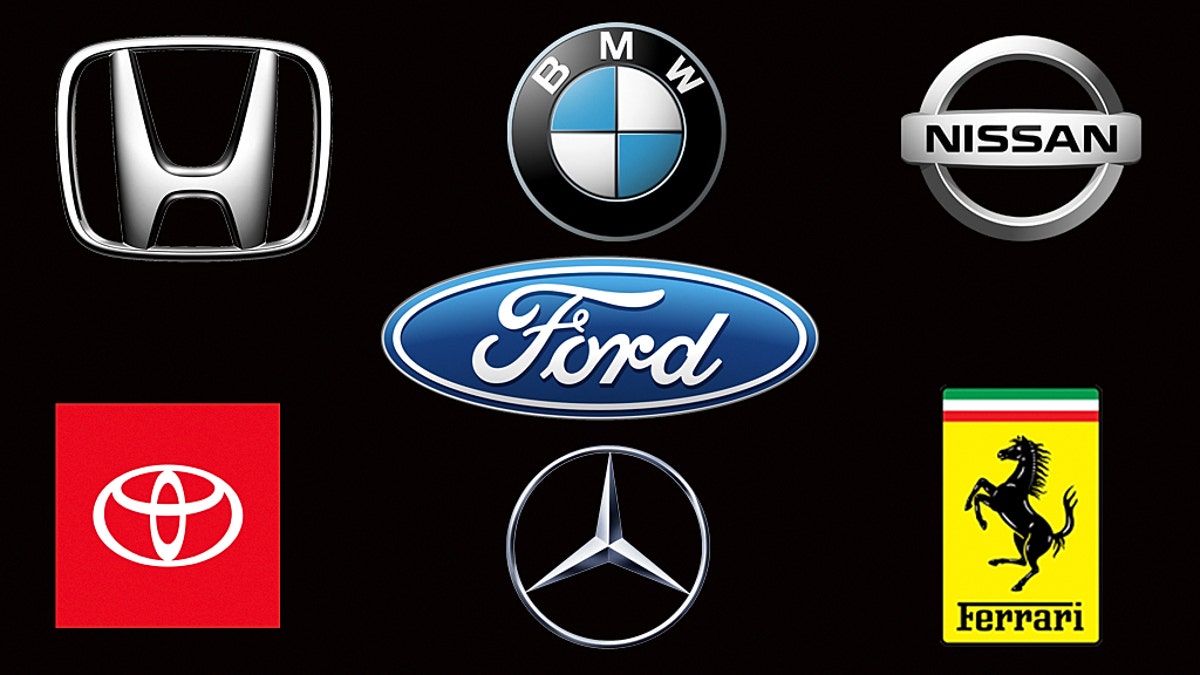
Car Brands Popular Around the World
Automotive enthusiasts and everyday drivers alike are drawn to vehicles that combine reliability, innovation, and universal appeal. Among these, Global Car Brands dominate roads in almost every corner of the world. Their influence stretches across continents, blending design, performance, and practicality to create vehicles that resonate with diverse cultures and driving preferences. These brands are more than transportation; they are symbols of quality, trust, and cutting-edge engineering.
European manufacturers have long held a reputation for sophistication and innovation. Volkswagen, for instance, has established a legacy of dependable vehicles that balance comfort with fuel efficiency. Its iconic Golf and Passat models are celebrated for their timeless design and adaptability to varied markets. BMW and Mercedes-Benz further extend Europe’s influence, blending luxury with performance. Their vehicles offer high-end interiors, advanced technology, and engineering excellence that appeal to both enthusiasts and those seeking refined daily transportation.
Italian Design and Global Appeal
Italian brands such as Fiat and Ferrari illustrate that global popularity can coexist with distinctive style. Fiat’s compact and efficient vehicles, like the 500, are ideal for urban environments and have found enthusiastic markets far beyond Italy. Ferrari, while more exclusive, has achieved legendary status worldwide. Its supercars are not just about speed; they embody artistry, engineering brilliance, and aspirational luxury. Alfa Romeo similarly combines elegant styling with performance, captivating drivers who value design and excitement in one package.
Japan has also contributed extensively to the roster of car brands with international acclaim. Toyota, a titan in both innovation and reliability, has produced vehicles that dominate markets in Asia, Europe, and the Americas. Its Corolla and Camry models have become synonymous with long-lasting dependability. Honda complements this with the Civic and Accord, offering vehicles that balance practicality, fuel efficiency, and sporty handling. Lexus, Honda’s luxury division, further elevates Japan’s global presence with models that integrate technological innovation and refined comfort.
American Influence and Iconic Presence
From the United States, brands like Ford and Chevrolet have earned a place in the global automotive landscape. The Ford F-150, one of the best-selling vehicles in the world, combines utility and comfort, appealing to both commercial and personal users. Chevrolet’s Silverado and Corvette showcase the versatility of American design, offering everything from rugged capability to high-performance thrill. Cadillac and Lincoln extend luxury and technological sophistication, demonstrating that American brands can compete on the world stage not just with power but with style and refinement.
South Korea has emerged as a formidable force in global car markets, with Hyundai and Kia achieving widespread recognition. These brands combine affordability, reliability, and sleek design to appeal to a broad demographic. Hyundai’s Sonata and Tucson, along with Kia’s Sorento and Sportage, have become household names in multiple continents. Advanced safety features, innovative hybrid and electric options, and competitive pricing make these vehicles appealing to families and urban commuters alike.
Sustainability and Modern Innovations
The popularity of global car brands is increasingly linked to environmental responsibility. Electric vehicles and hybrid models are no longer niche products but essential components of global strategies. Tesla, although relatively young, has become a worldwide phenomenon with its electric sedans and SUVs. Its success demonstrates that innovation, performance, and environmental consciousness can converge to create vehicles that redefine expectations. European brands such as BMW, Audi, and Volkswagen have also embraced electrification, offering models that combine sustainability with the luxury and performance their customers expect.
Connectivity and advanced technology further enhance the appeal of global car brands. Infotainment systems, driver-assistance features, and smart integration with mobile devices have become standard in many markets. Vehicles are no longer just mechanical devices; they are extensions of lifestyle and communication. This emphasis on seamless connectivity, safety, and convenience helps global brands maintain their relevance in an increasingly competitive and technologically driven industry.
Cultural Adaptation and Market Versatility
One reason certain brands achieve worldwide popularity is their ability to adapt to regional preferences. Engine size, fuel type, vehicle dimensions, and even interior materials can be tailored to meet the expectations of different markets. Global car brands understand that success requires more than manufacturing excellence; it demands cultural awareness, customer-centric design, and responsiveness to evolving trends.
Ultimately, the reach of these brands is a testament to their versatility, innovation, and consistent delivery of quality. They represent a global standard in automotive excellence, influencing industry trends, shaping consumer expectations, and driving technological advancements. From European elegance to Japanese reliability, American muscle to South Korean ingenuity, these vehicles demonstrate that great design, performance, and utility can transcend borders.
Global car brands continue to dominate because they offer more than mobility; they provide reliability, prestige, and innovation. Whether navigating congested city streets, cruising highways, or exploring off-road paths, these vehicles prove that excellence is universal. Their enduring popularity reflects a careful blend of engineering, style, and cultural resonance, ensuring that drivers across the world can enjoy both comfort and performance in every journey.